
GCU Home | Alumni | Faculty | Parents | Prospective Students | Current Students |
Intro to Online Community
Go to Online Community
First Time Login
Alumni Association
Professional Dev.
Scholarship
Access IQ Web
Blackboard
Admissions Main
Office of Financial Aid
Campus Security
Student Life
Admissions
Online Undergrad App
Online Graduate App
International Students
Programs/Services
MyGCU (Portal)
Access IQ Web
Student Handbook (PDF)
Send an eCard

Sister Mary Grace Burns Arboretum of Georgian Court University

Arboretum Banner 

Go to clickable image map of arboretum

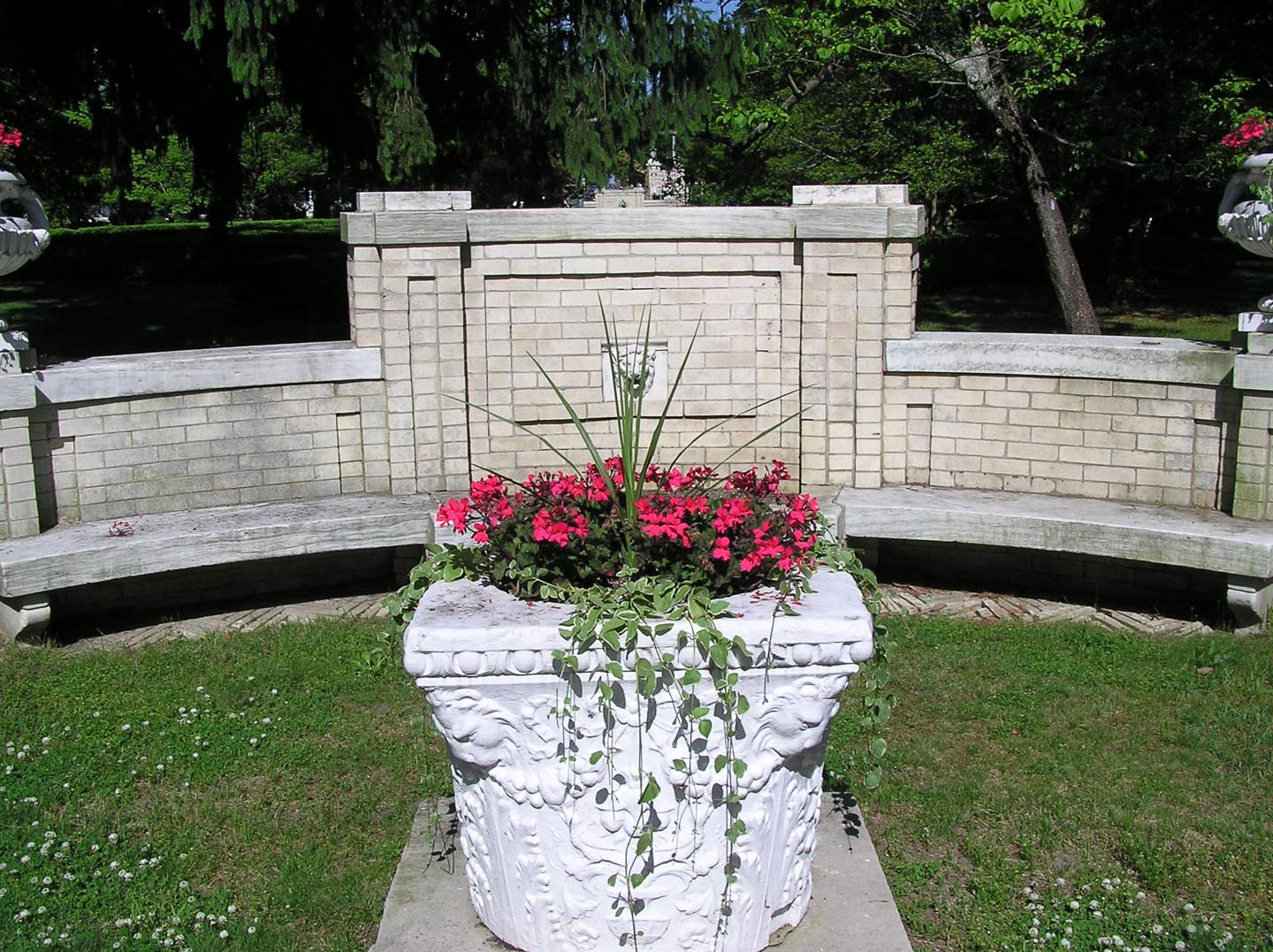
Italian Garden
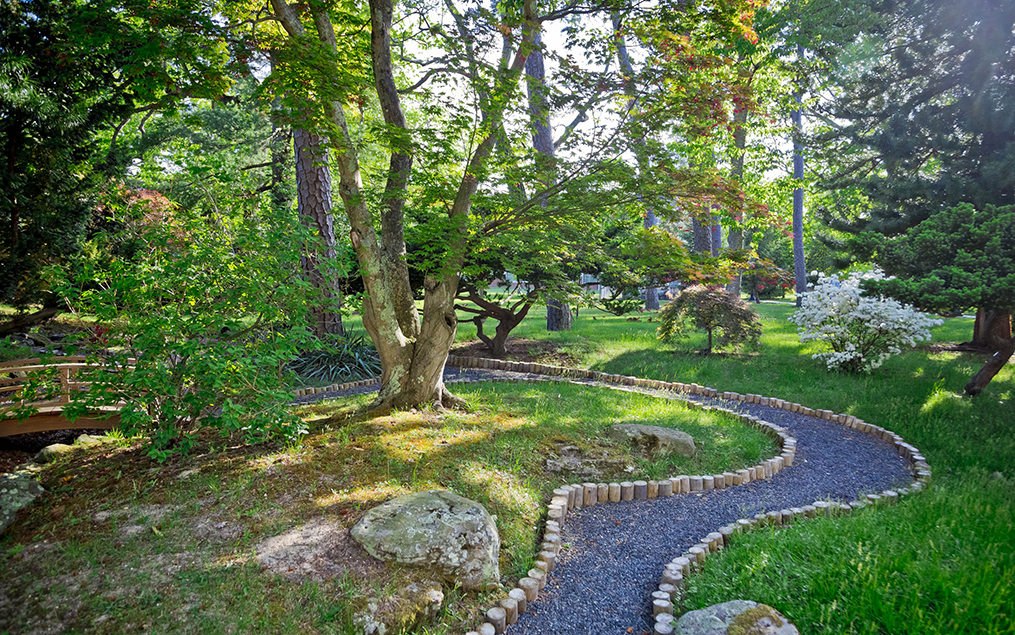
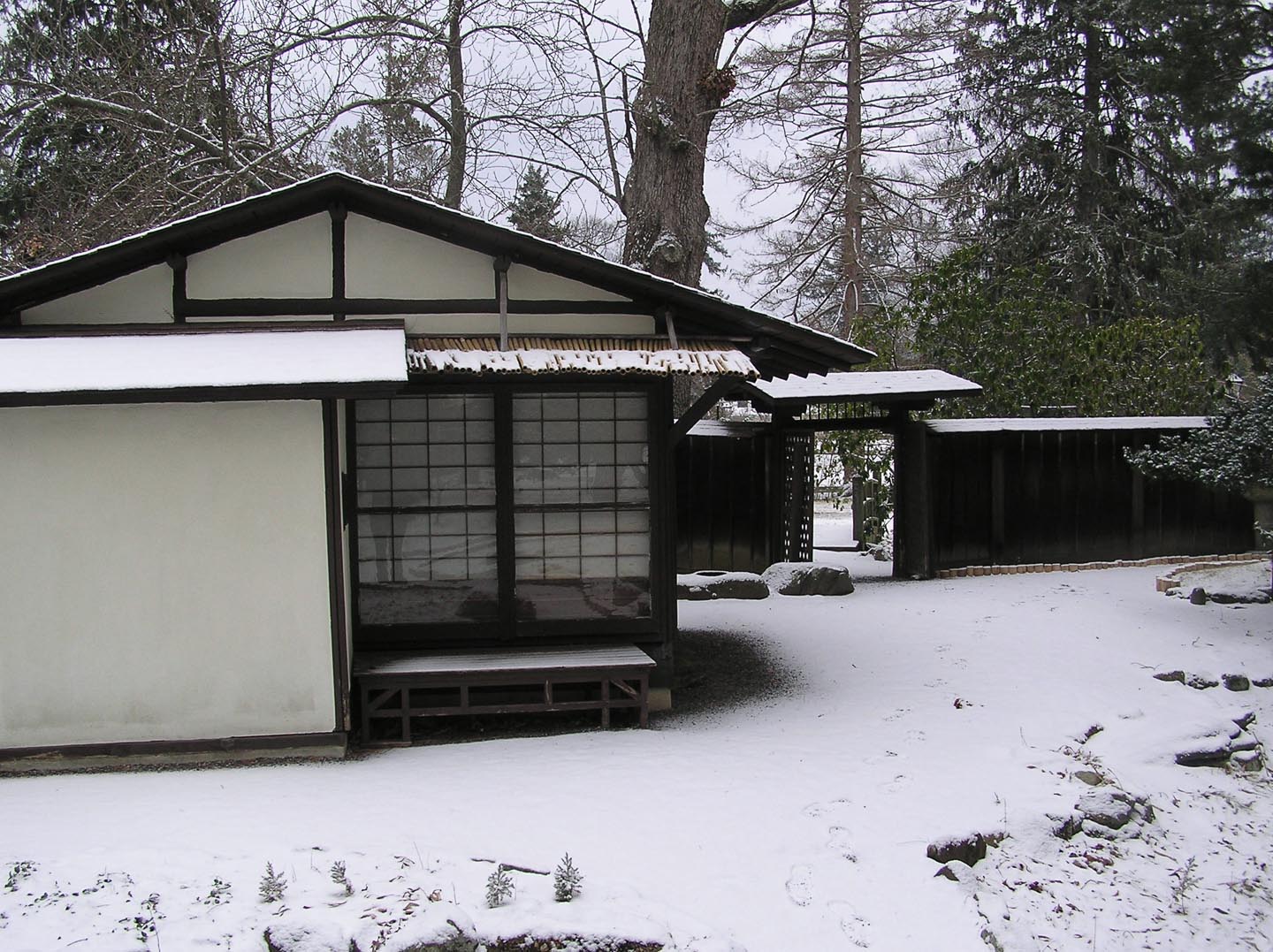
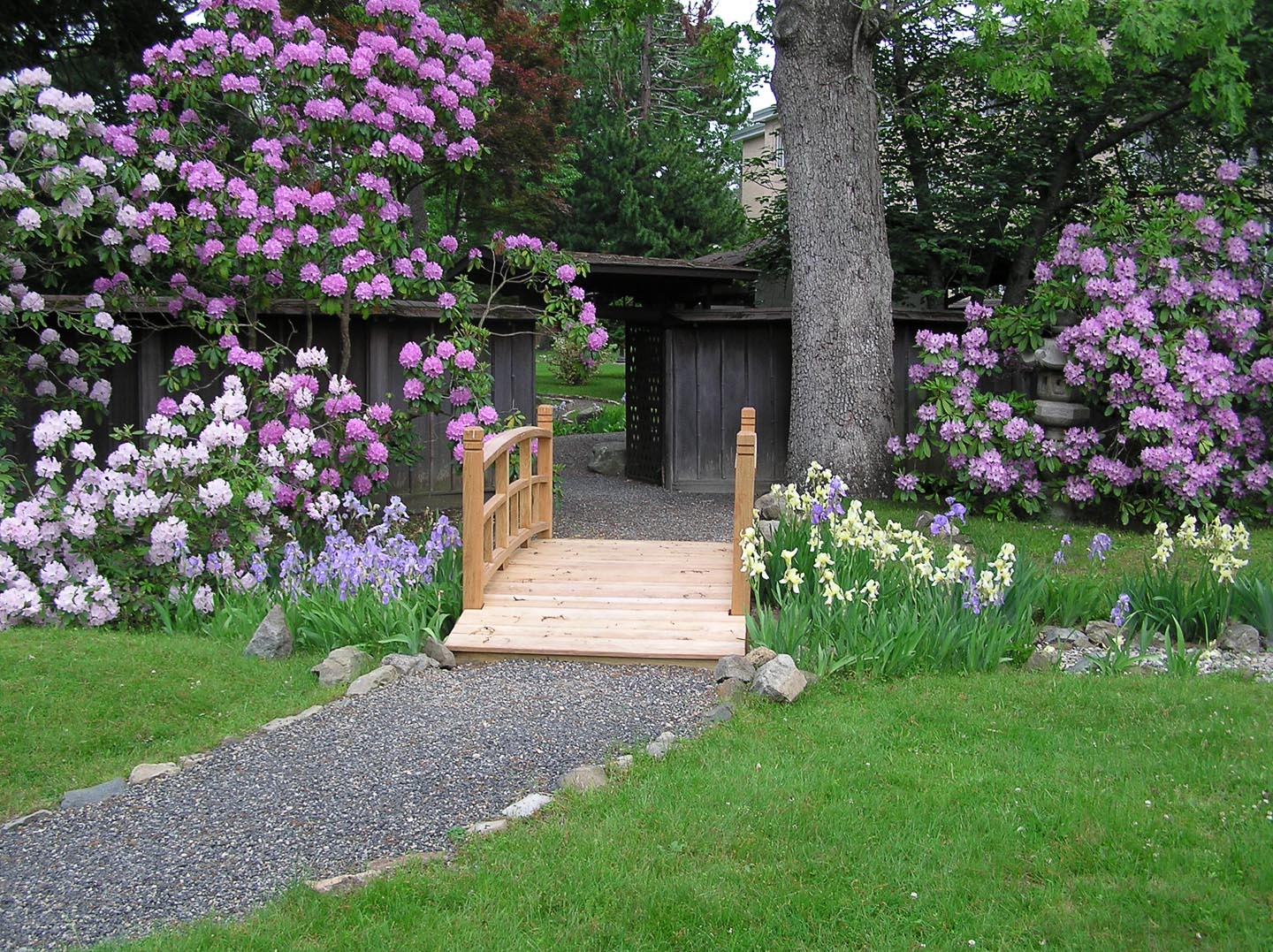
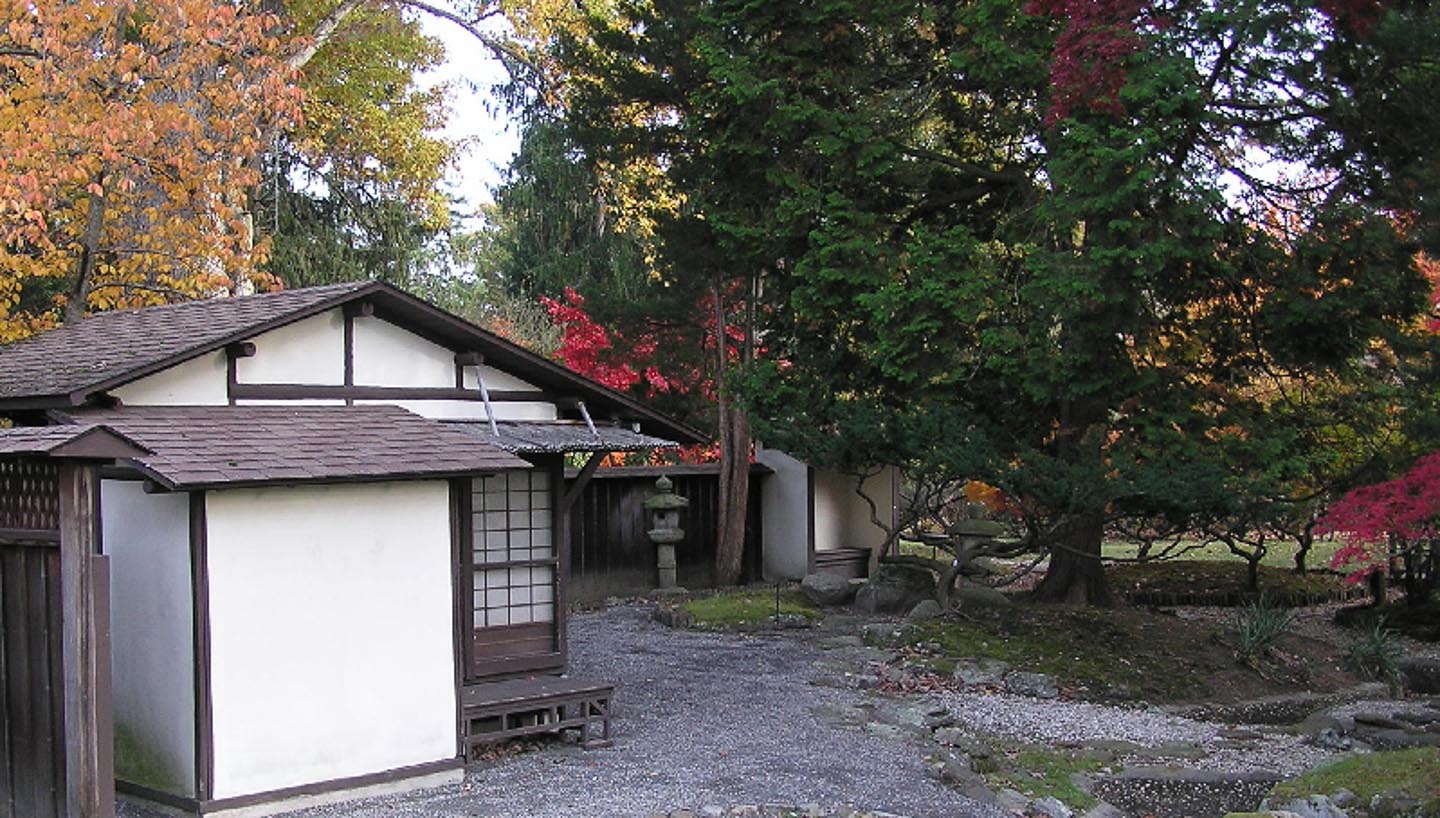
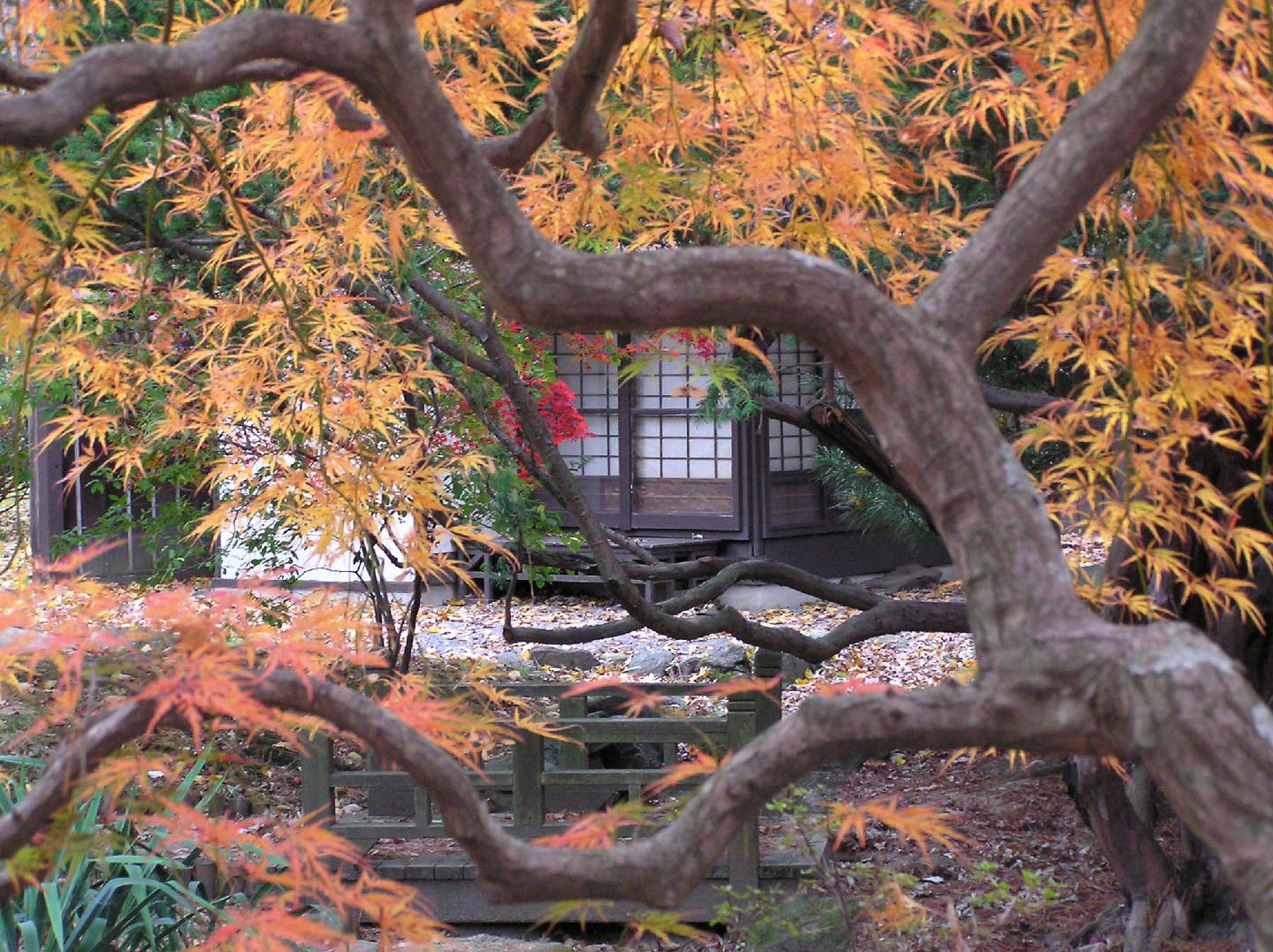
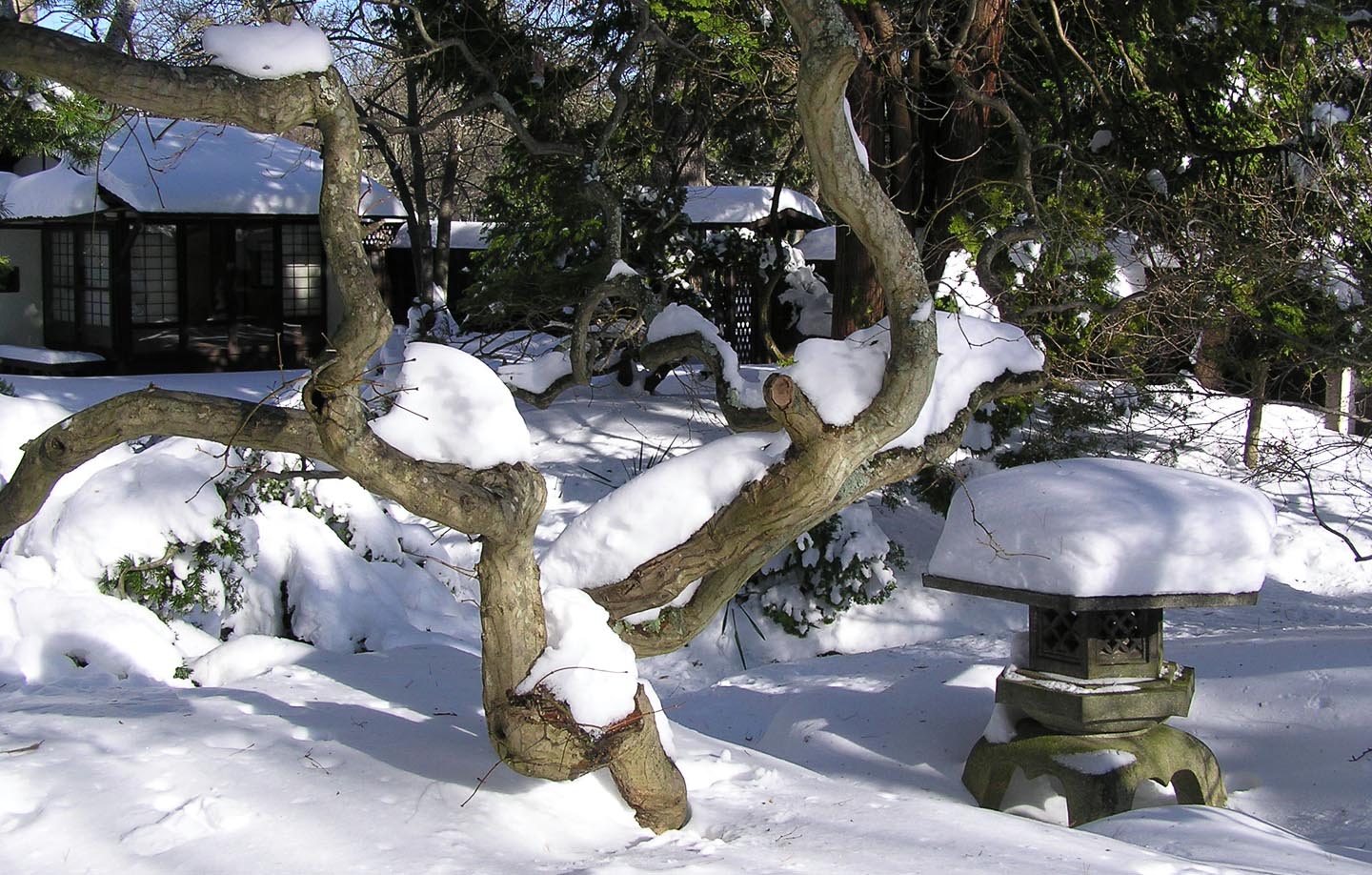
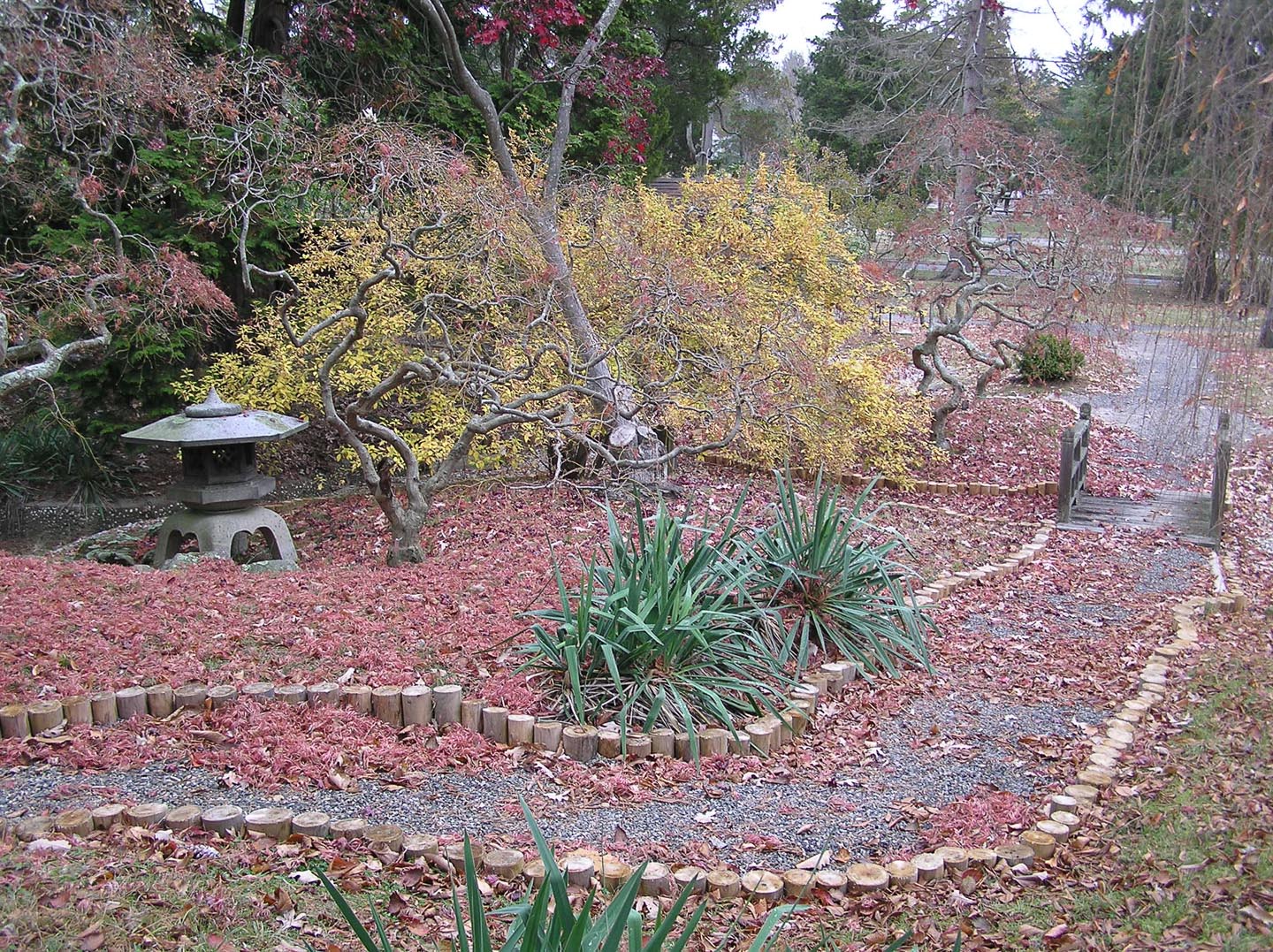
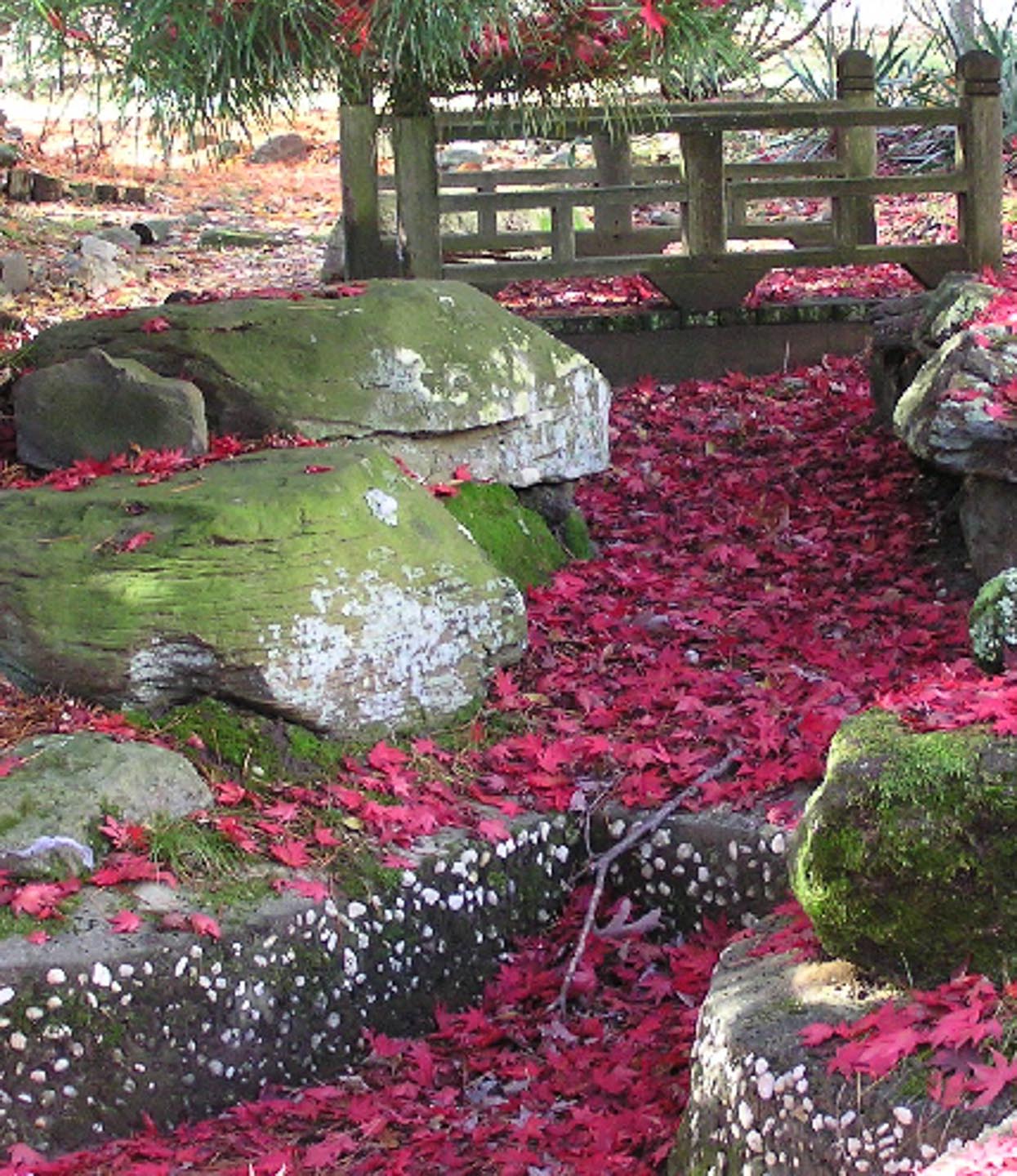
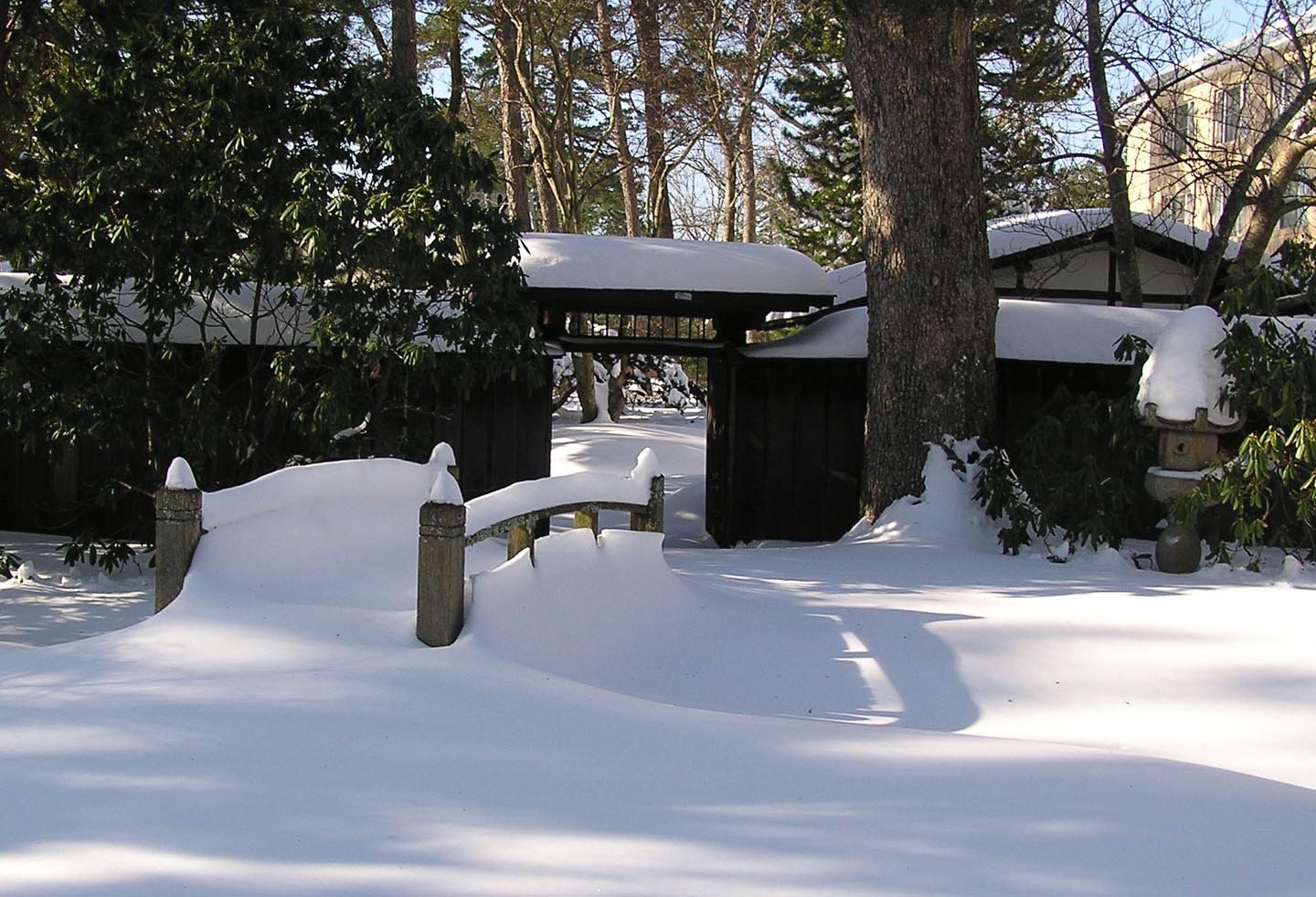
Japanese Garden
Sunken Garden
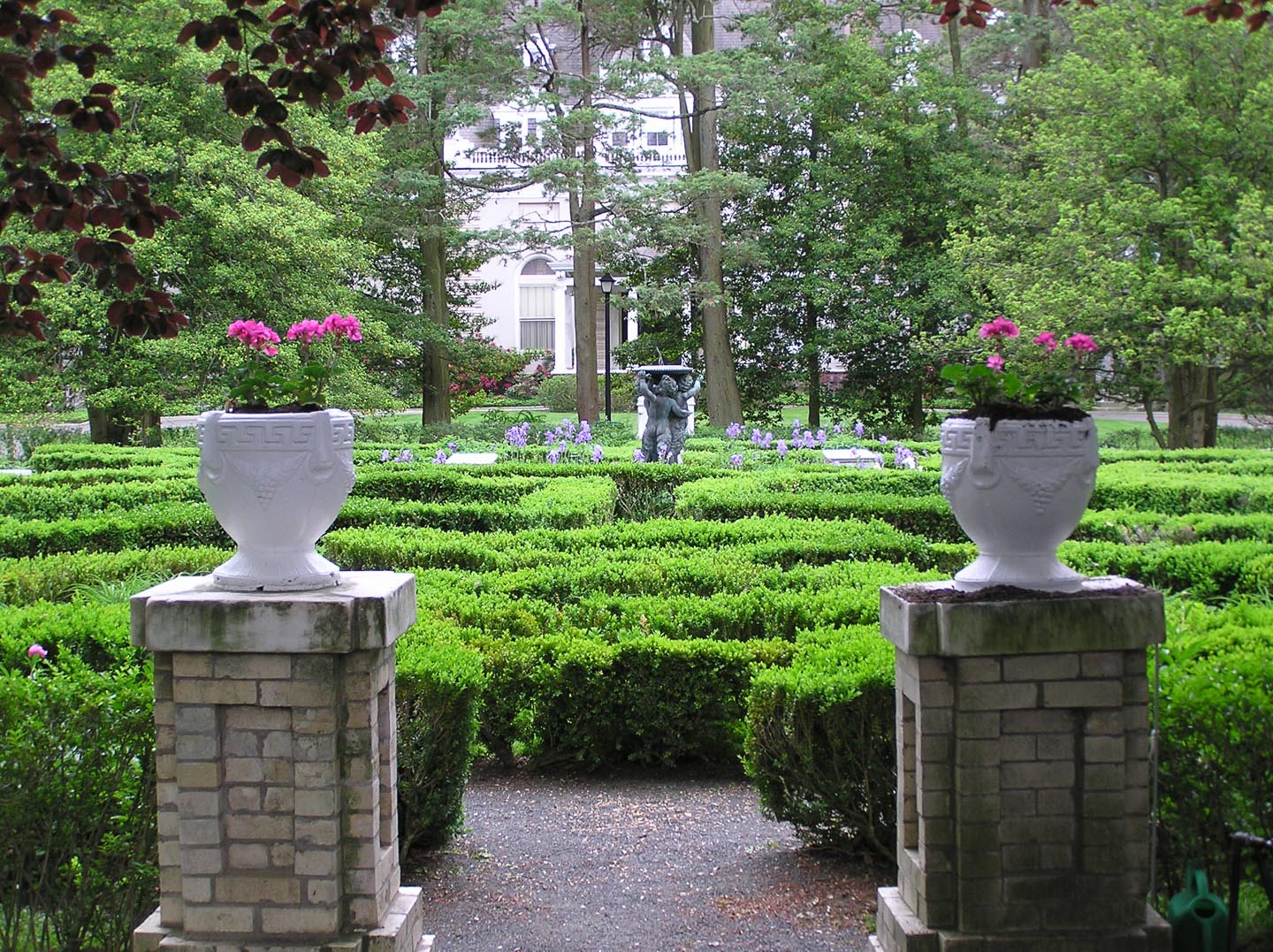
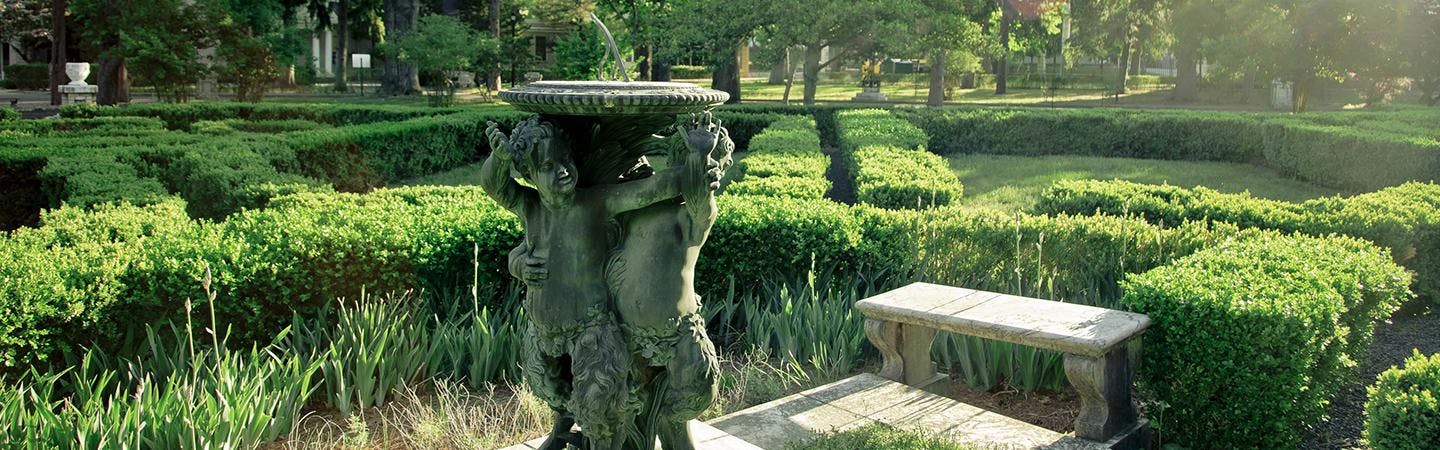
Formal Garden
Sunken Garden

Introduction

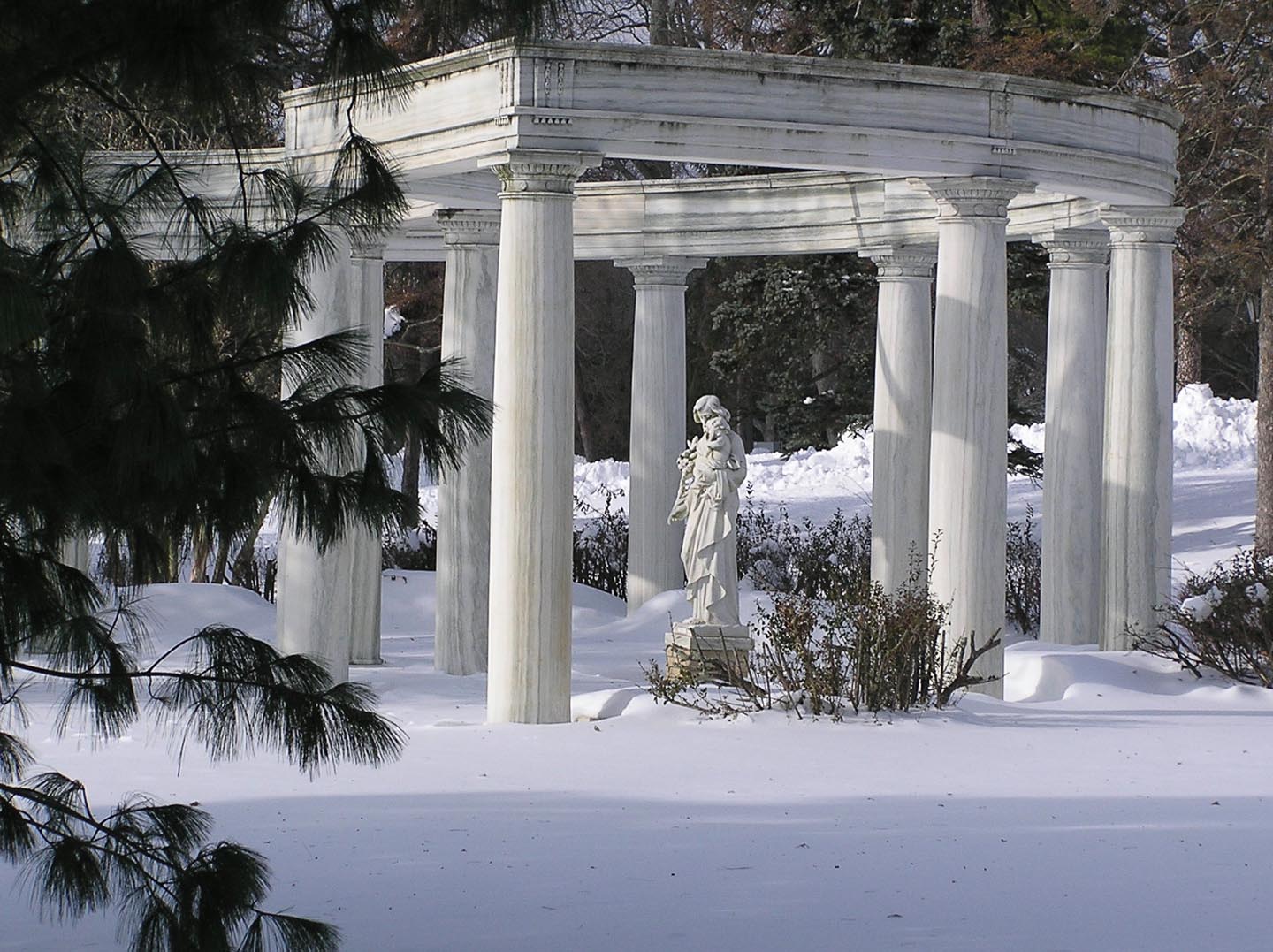
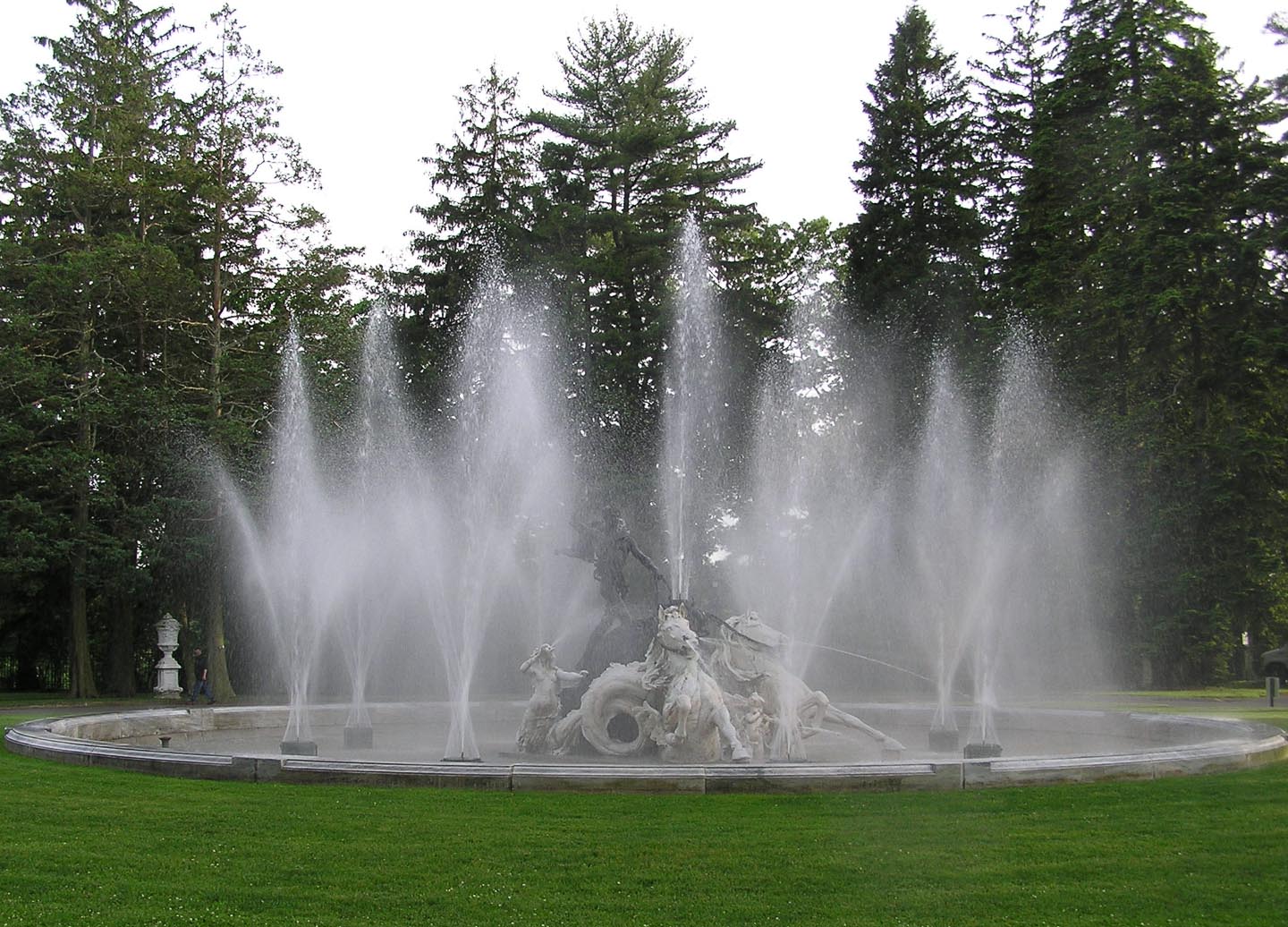
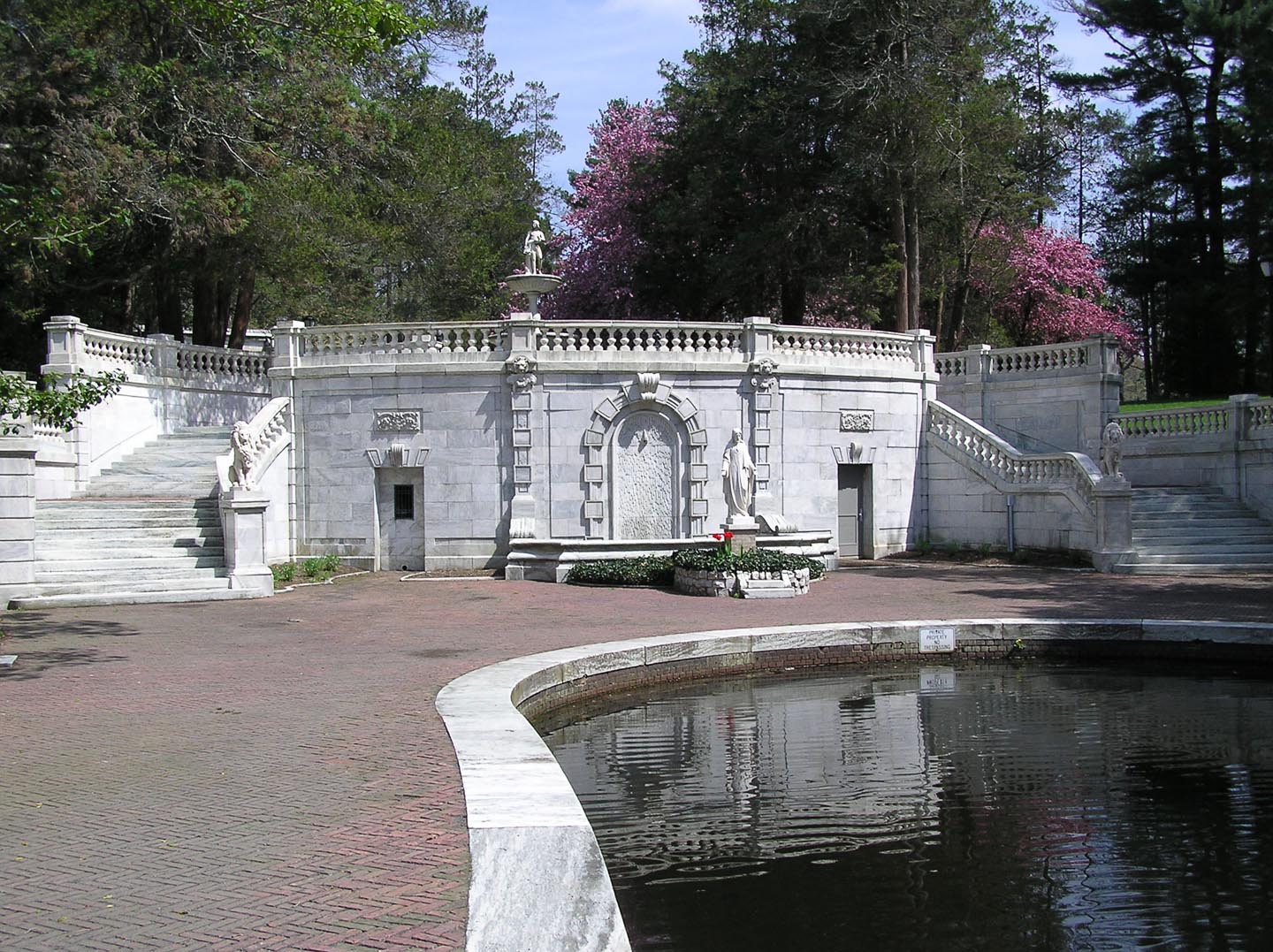
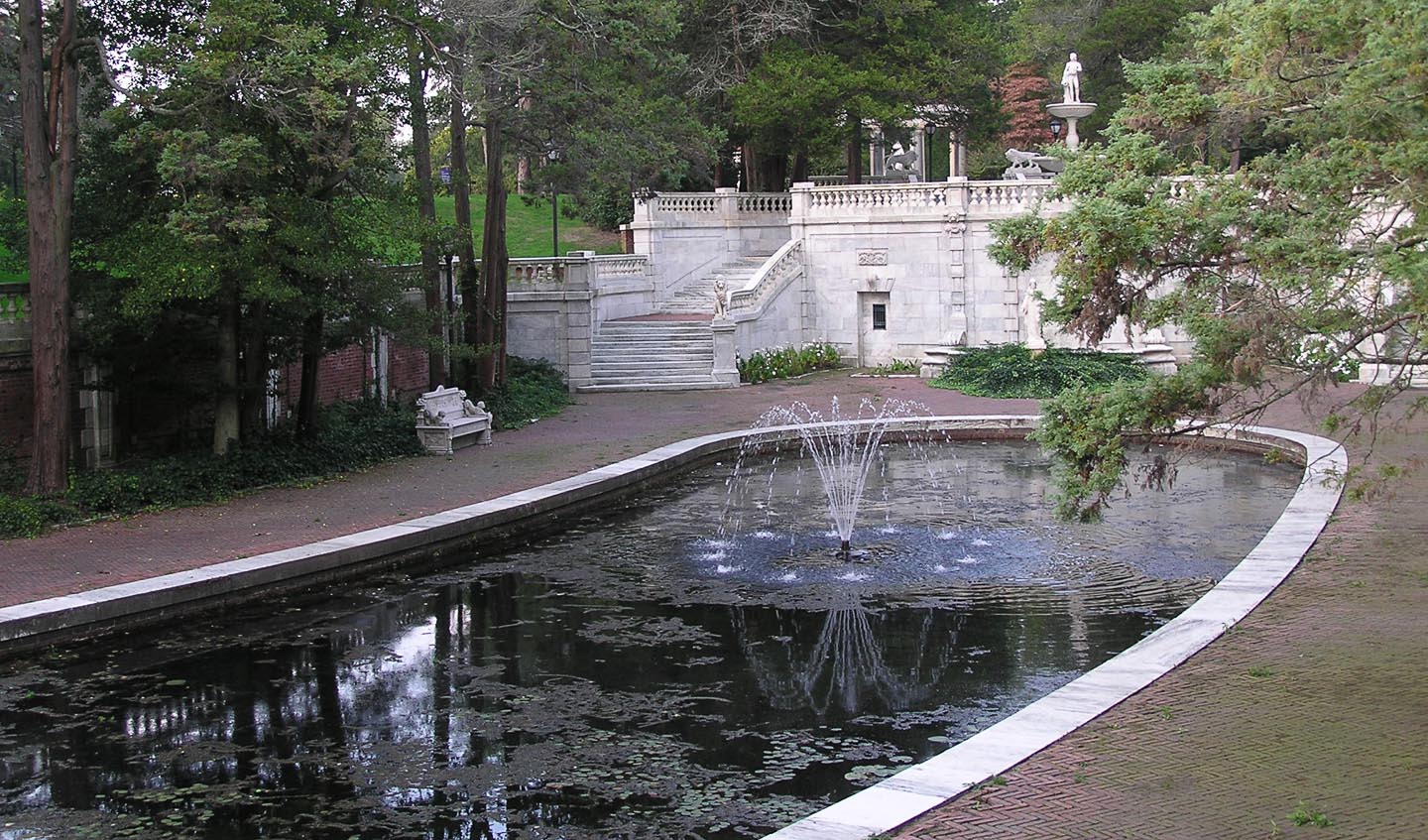
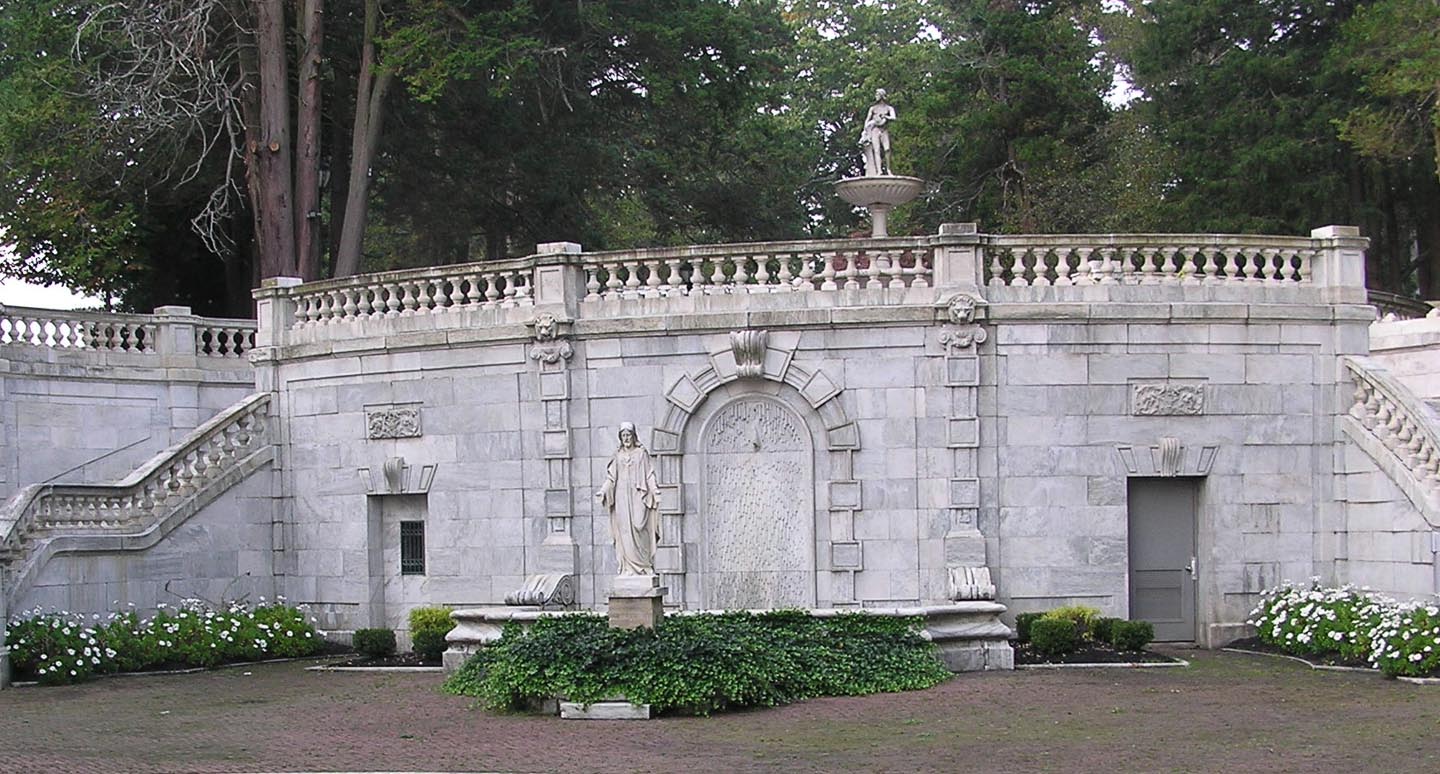
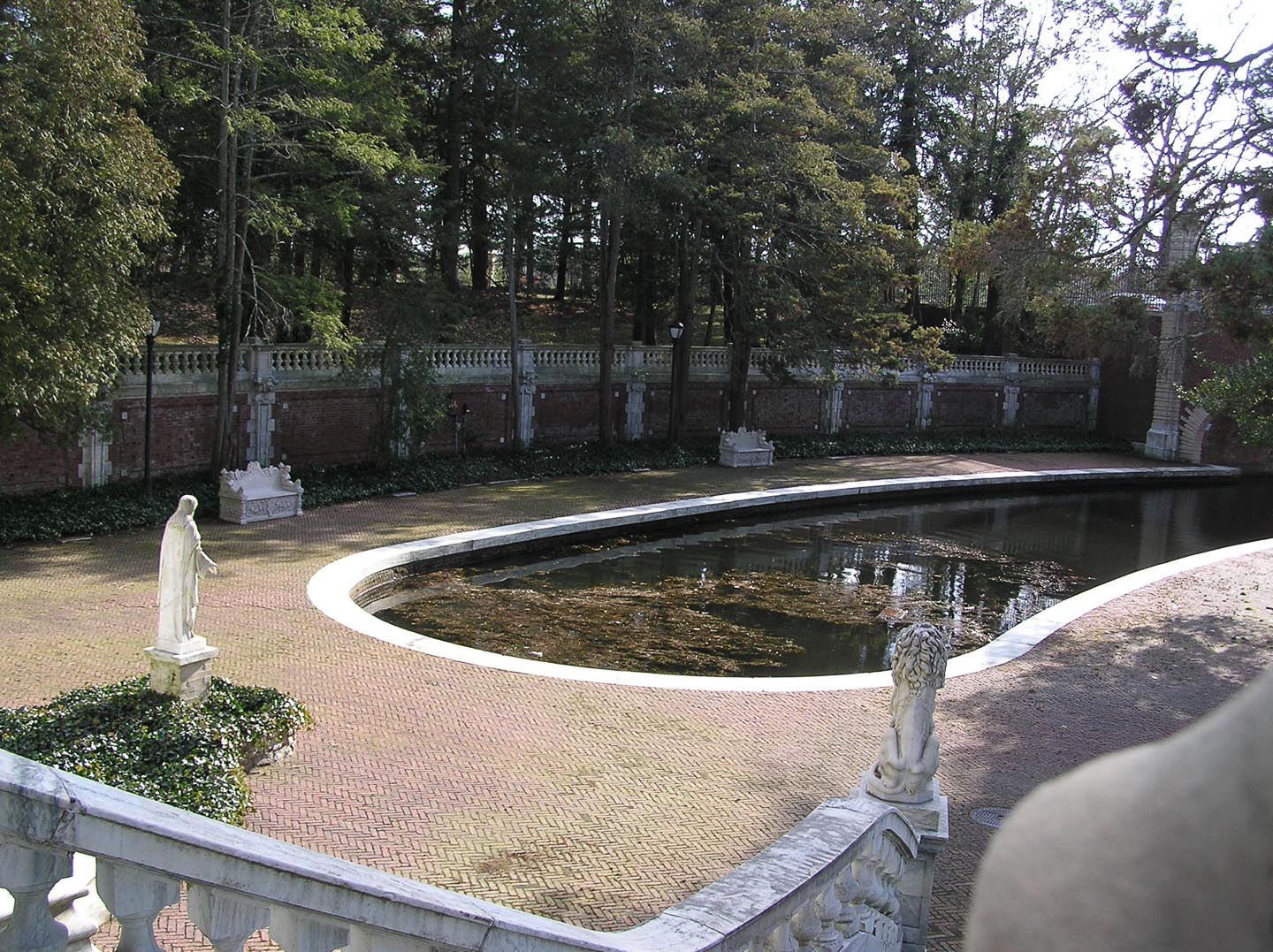
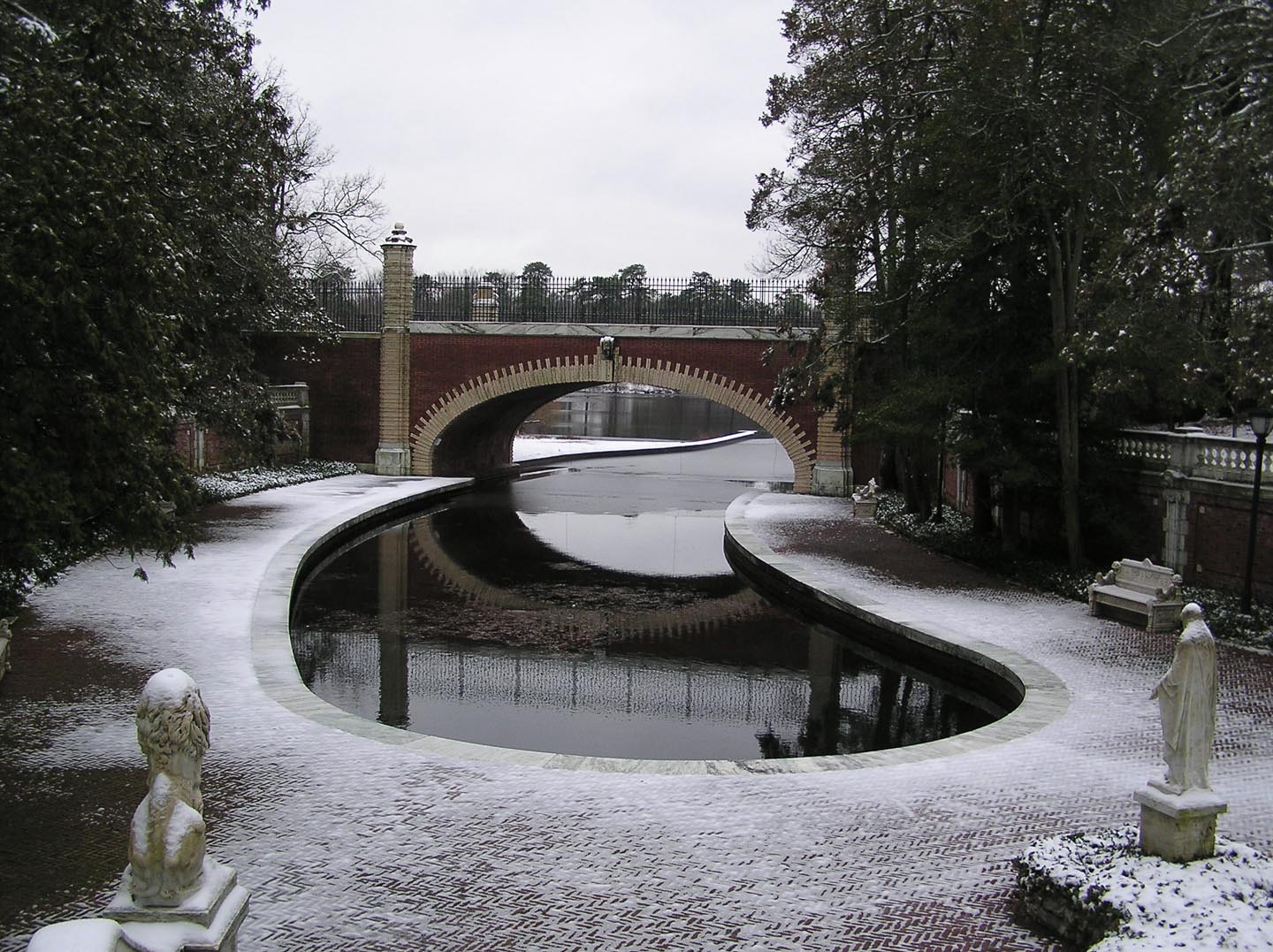
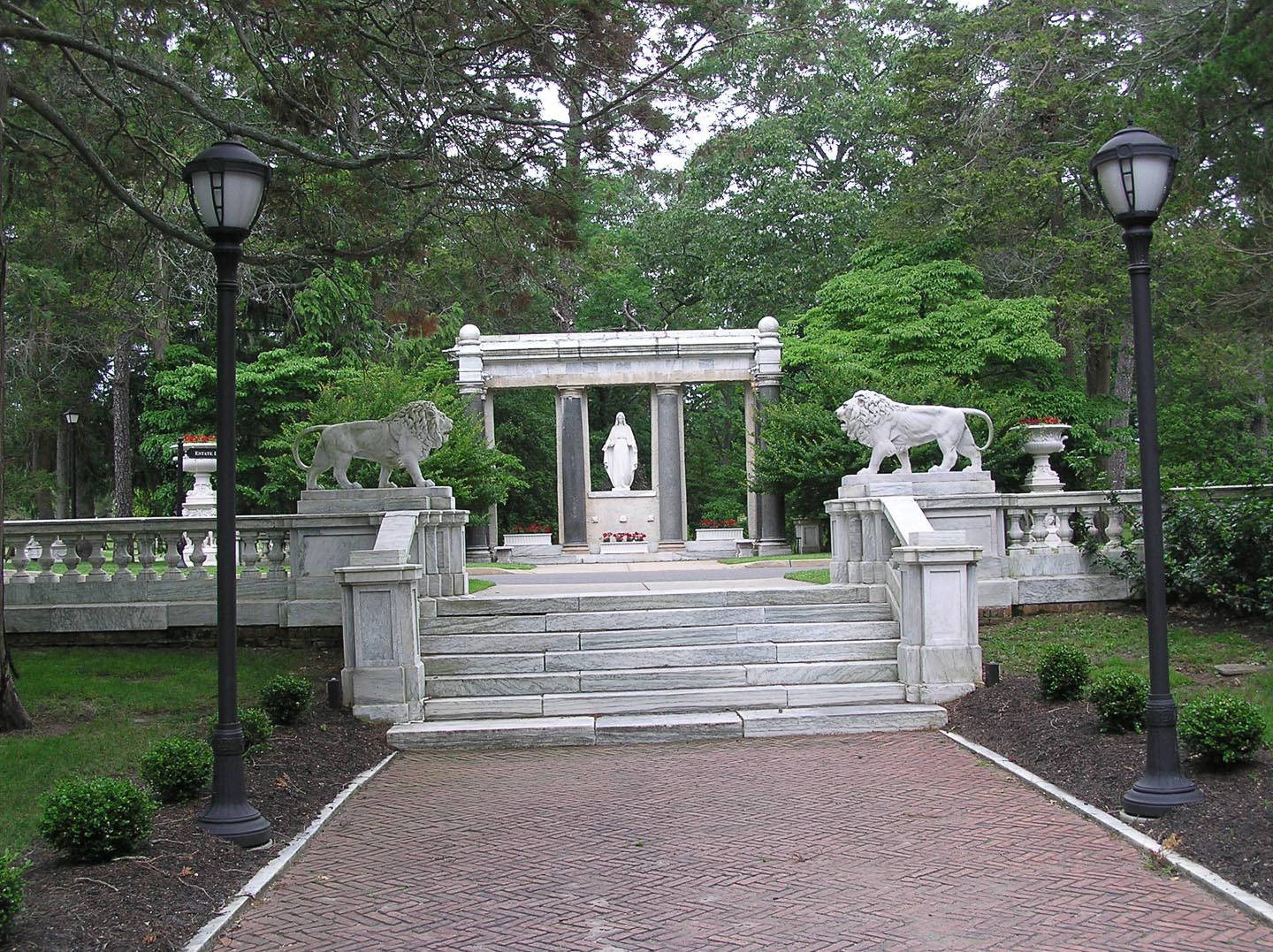
Georgian Court University was formerly the winter home of George Jay Gould, millionaire son of railroad tycoon Jay Gould. The architect Bruce Price was hired to transform the land, purchased in 1896, into a lavish country estate resembling an English estate of the Georgian period; therefore, it was named Georgian Court. In addition to designing the buildings, Bruce Price designed three of the four major gardens: the Classic or Italian Gardens, the Sunken Garden or Lagoon, and the Formal Garden. The garden designer Takeo Shiota designed the Japanese Garden.

The sandy soils of the New Jersey Pine Barrens were not conducive to the cultivation of the exotic plants the Goulds wanted to grow. To provide rich topsoil, 5,000 carloads of fine loam were brought to Georgian Court from neighboring Monmouth County. George Gould died in 1923. The Sisters of Mercy of New Jersey bought the estate in 1924, moving their College of Mount Saint Mary to the site. The Gould family requested that the name of the estate be retained, so the college became Georgian Court University.

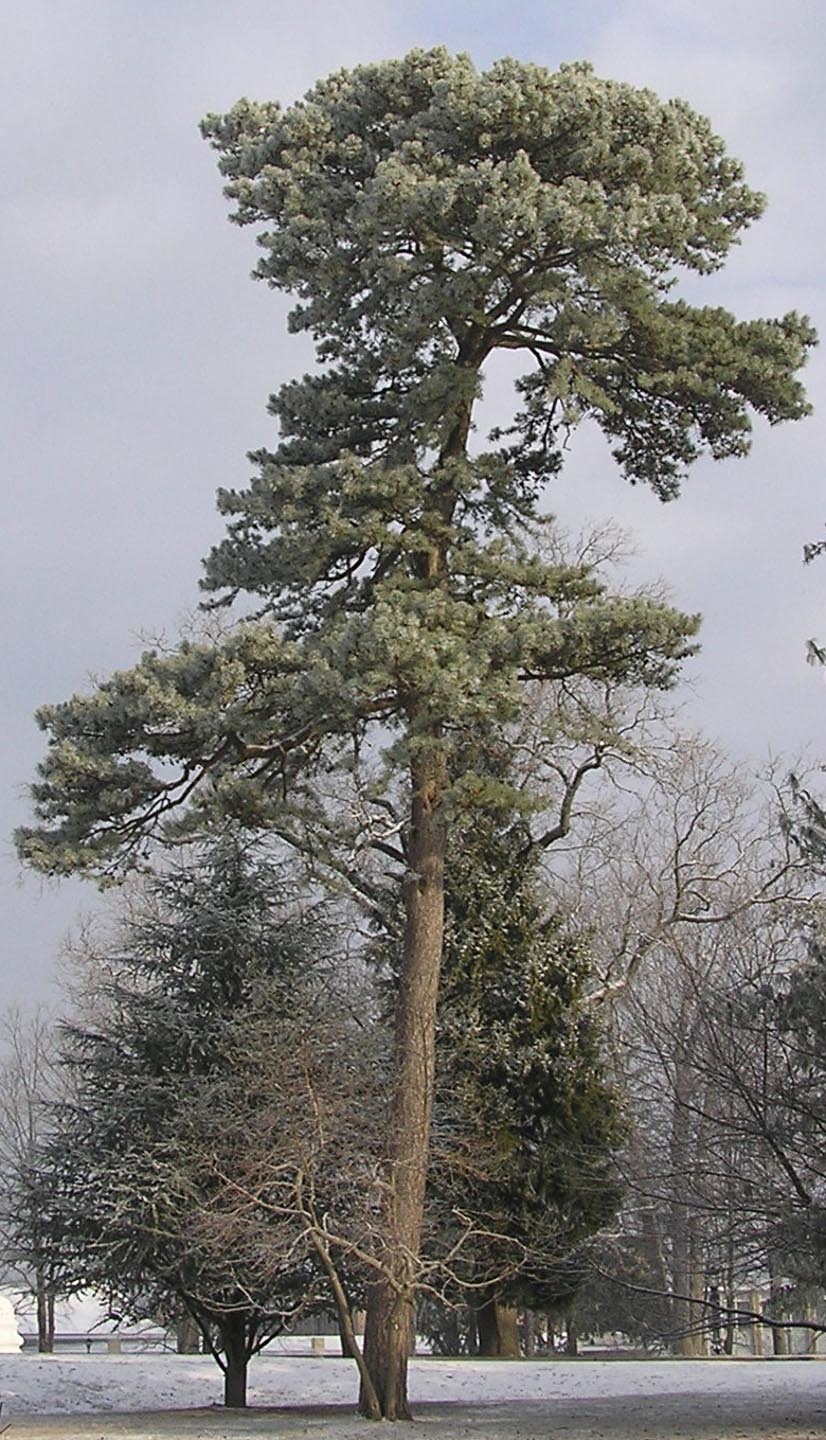
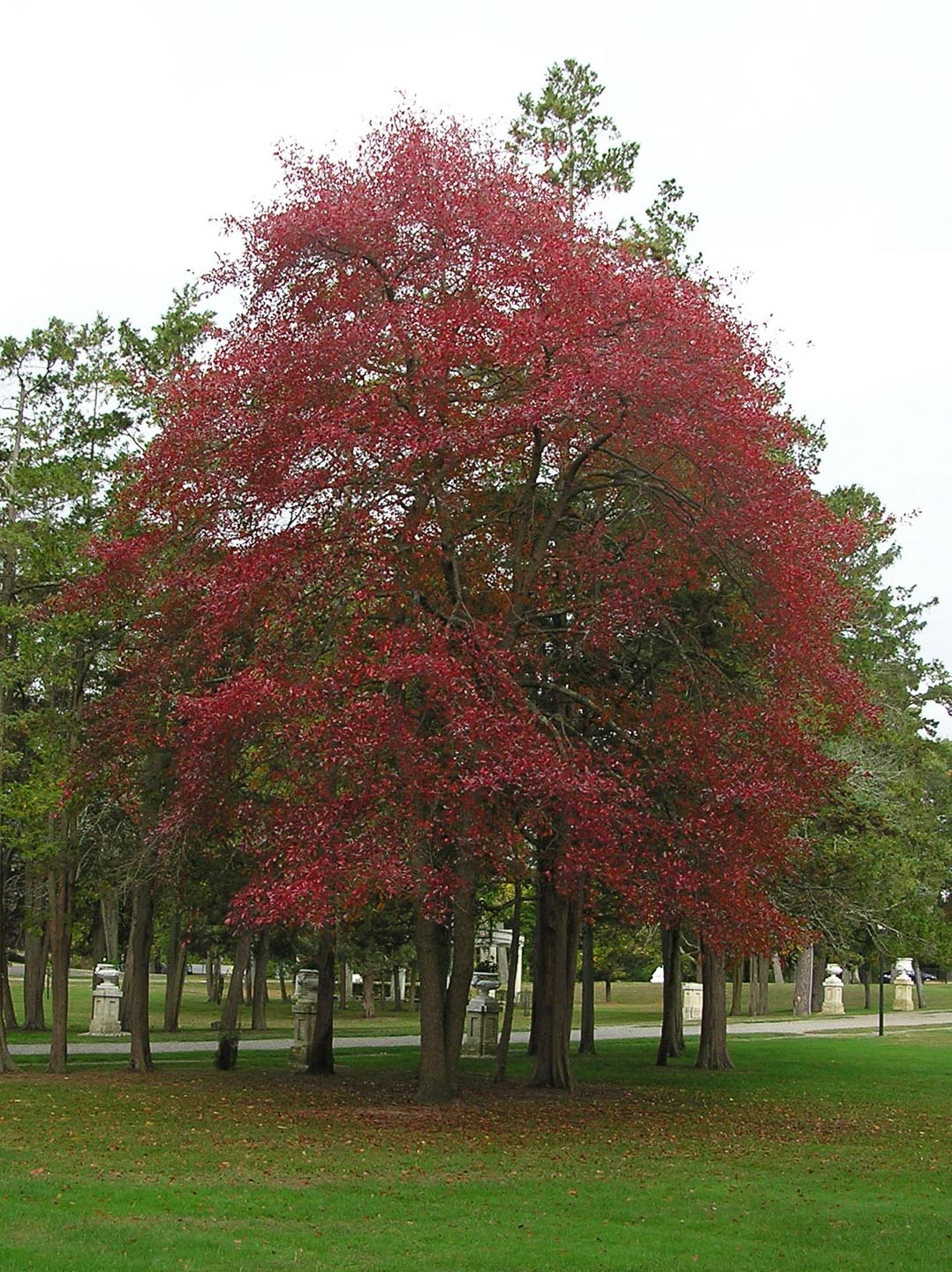
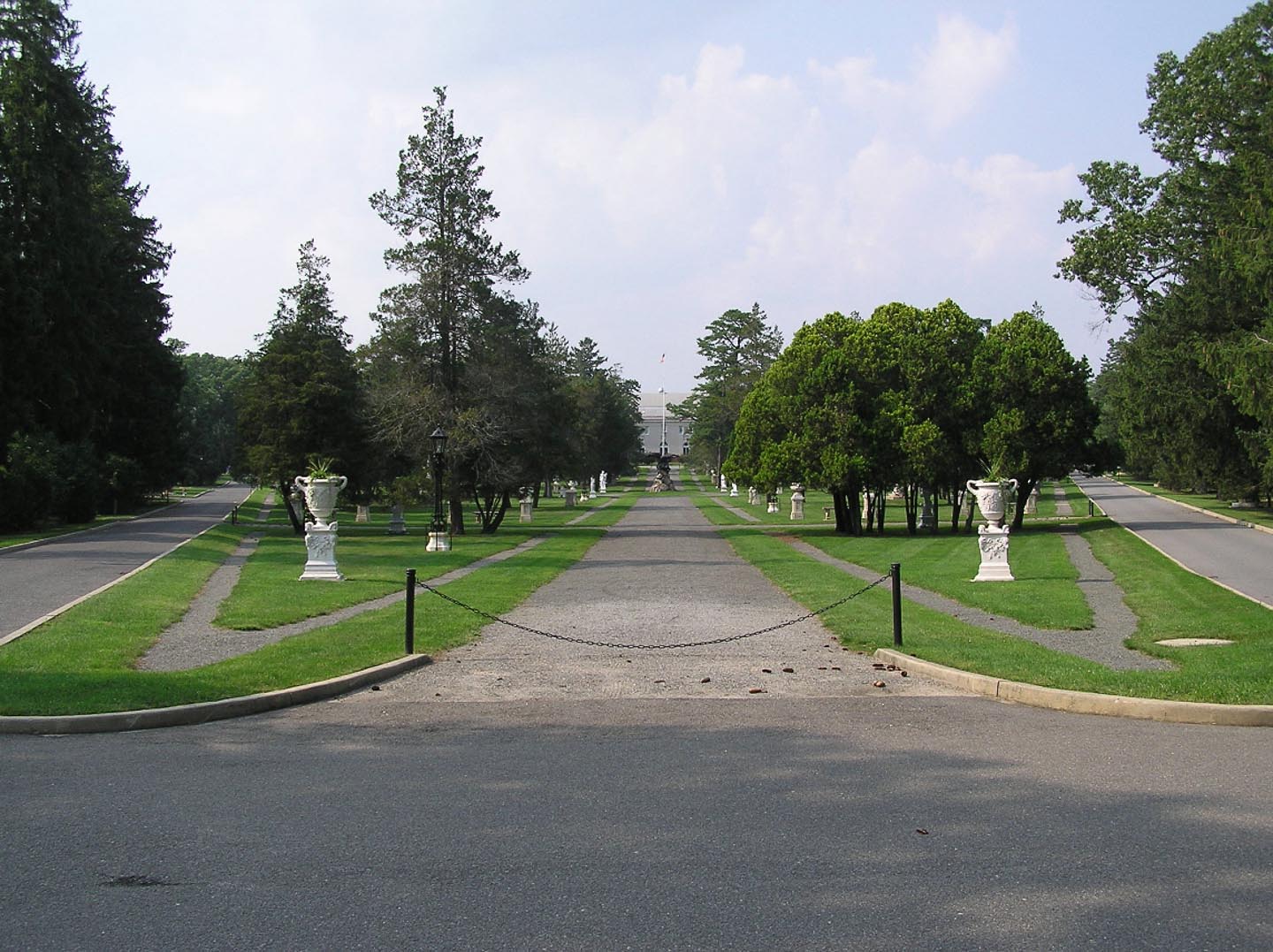
The arboretum, established in 1989, is named after Sister Mary Grace Burns, who was the chairperson of the biology department and professor of biology from 1927 to 1968. It comprises the entire campus (approx. 155 acres). In addition to a large number of exotic plant species, the arboretum features a good collection of native plants of the New Jersey Pine Barrens (New Jersey Pinelands). Most of the pinelands plants are scattered throughout the arboretum. Most notably, we have a number of very large and old oaks (mostly chestnut, black and white) and pines (mostly shortleaf but also pitch). These species are well adapted to our climate and soils, and are found on most parts of the campus. The densest concentration of oaks is on oak knoll, the highest elevation on campus just past the college's entrance gate. The largest white oak in Ocean County is located behind our Sister Mary Joseph Cunningham Library -- we have a total of 16 trees that are the biggest of their species in Ocean County. The grounds of Lake House and the Music Center have our largest concentration of shortleaf and pitch pines. We are currently working on restoring an undeveloped portion of the campus that contains a remnant pineland community. A nature trail traverses approximately 76 acres, which is the northern part of the campus (arboretum).

Mission Statement

The S. Mary Grace Burns Arboretum of Georgian Court University, acting in harmony and interdependence with all creation, has the mission of preserving and enhancing the unique botanical heritage of the former Georgian Court estate and its gardens, while promoting its use for education, research, enjoyment and inspiration. Species added to the four historic gardens will augment the gardens' authenticity. The New Jersey Pinelands flora will be maintained and expanded. Additions to the arboretum will include species that provide interesting colors, textures and fragrances throughout the year. Collections will be developed that build upon the historic botanical strengths of the grounds.

The arboretum is an ongoing project of the biology faculty and staff. The director of the arboretum is Dr. Michael Gross. The assistant director is Sister Mary Bilderback.

For information about the tree collection, call 732.987.2373, or e-mail Dr. Gross, or go to our list of woody plants and their location on campus. To date, we have identified approximately 180 species of woody plants on our campus. For scientific names and classification, we generally rely on the Integrated Taxonomic Information System, Gymnosperm Database, and the Manual of Woody Landscape Plants (Dirr 1998).

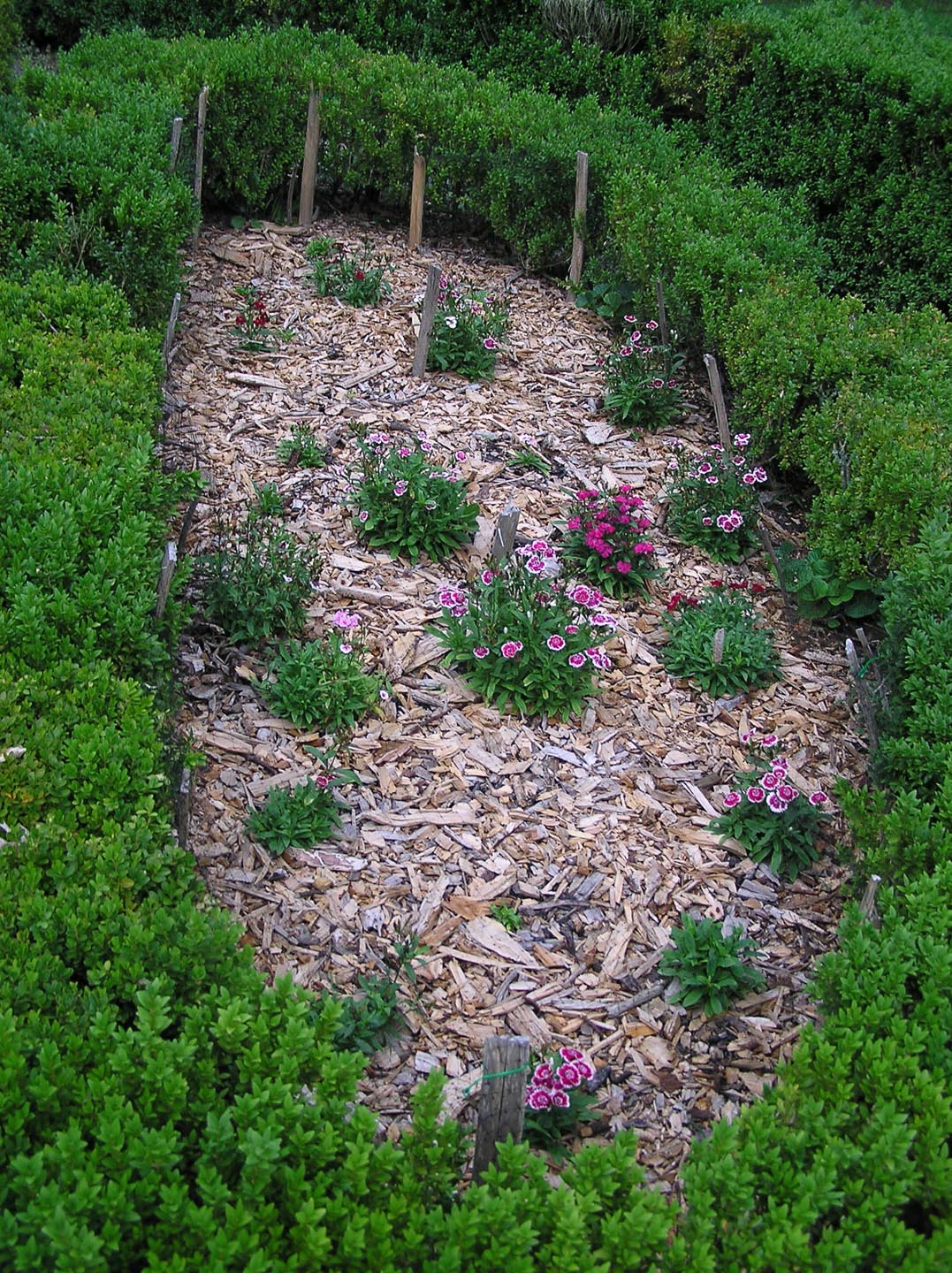
If you are interested in donating a woody plant, want to know how we map and keep track of our trees, or want to know why many of our trees and shrubs are fenced, click here. Volunteers familiar with common herbaceous plants and who are able to work independently are needed to help weed or assist with other light gardening tasks. Please contact Dr. Michael Gross at 732.987.2373, or gross@georgian.edu, if interested.

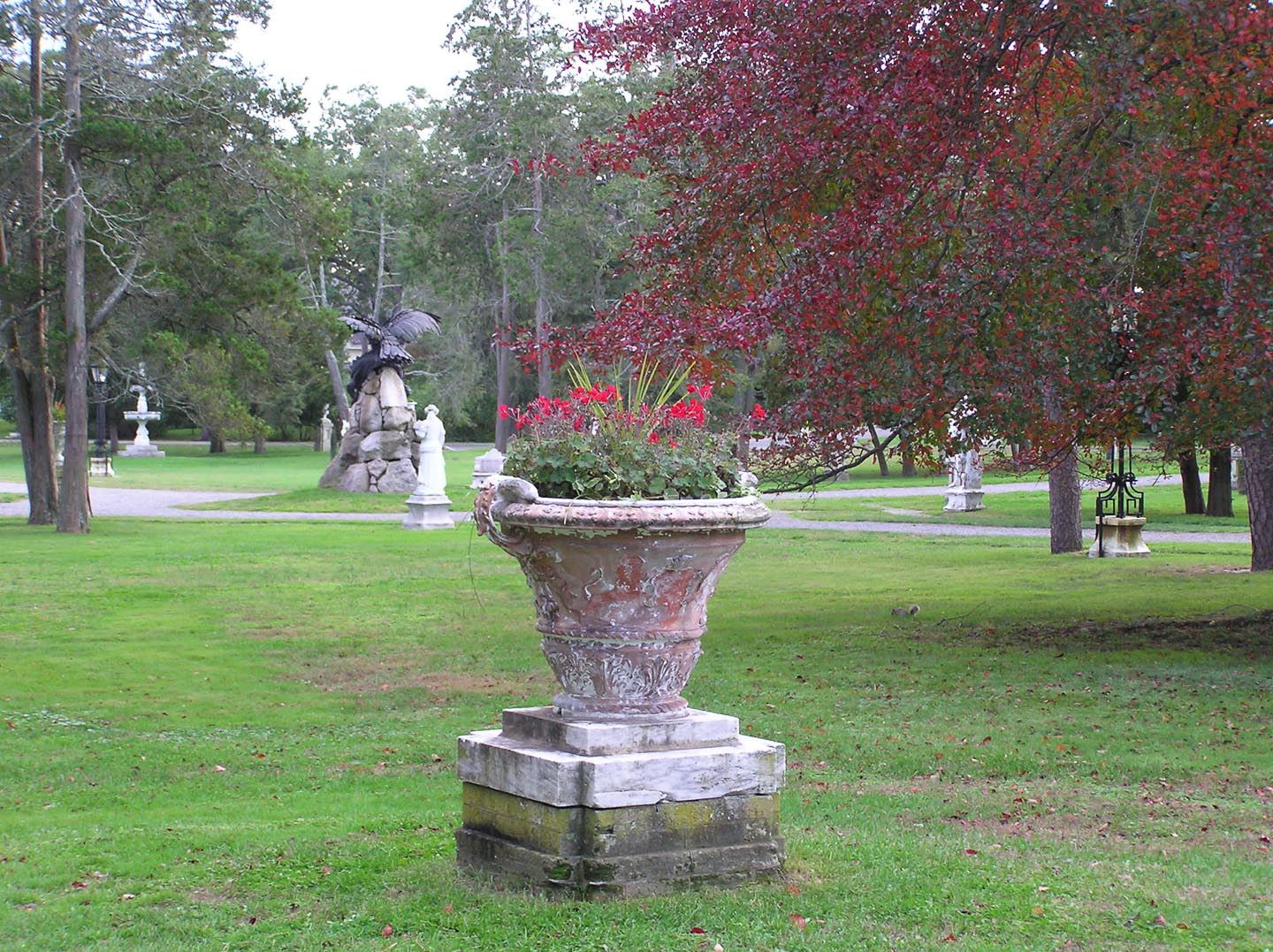
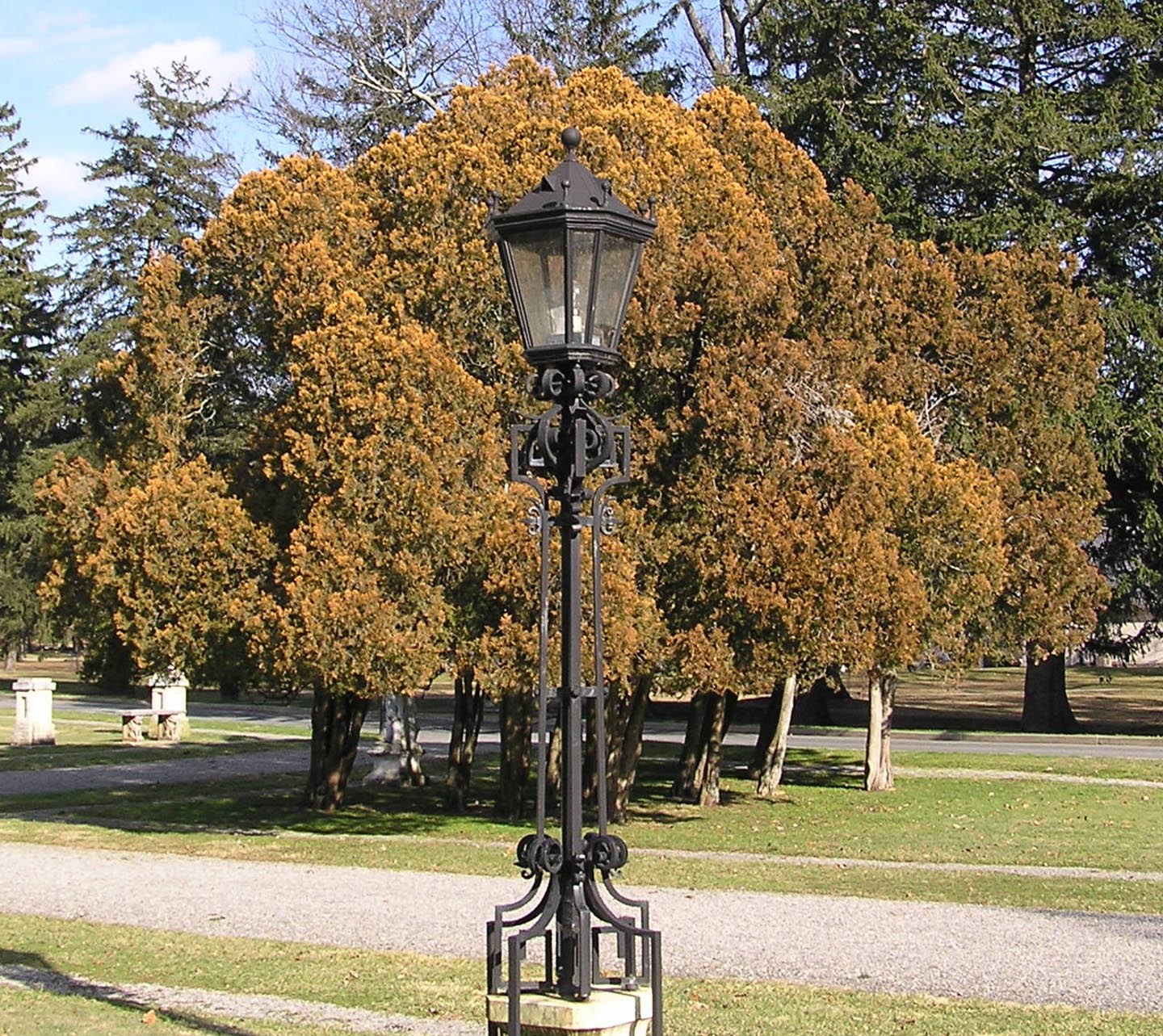
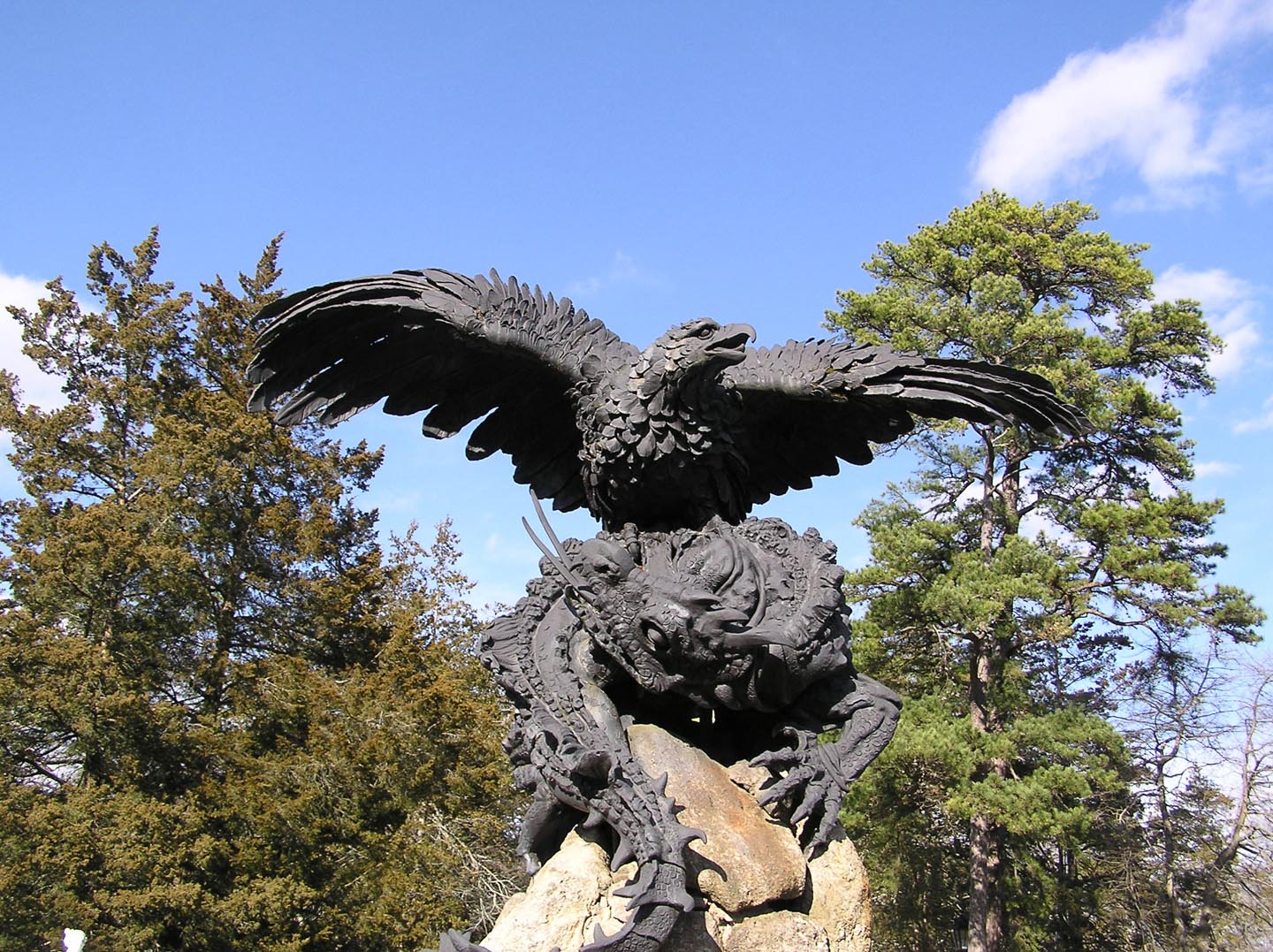
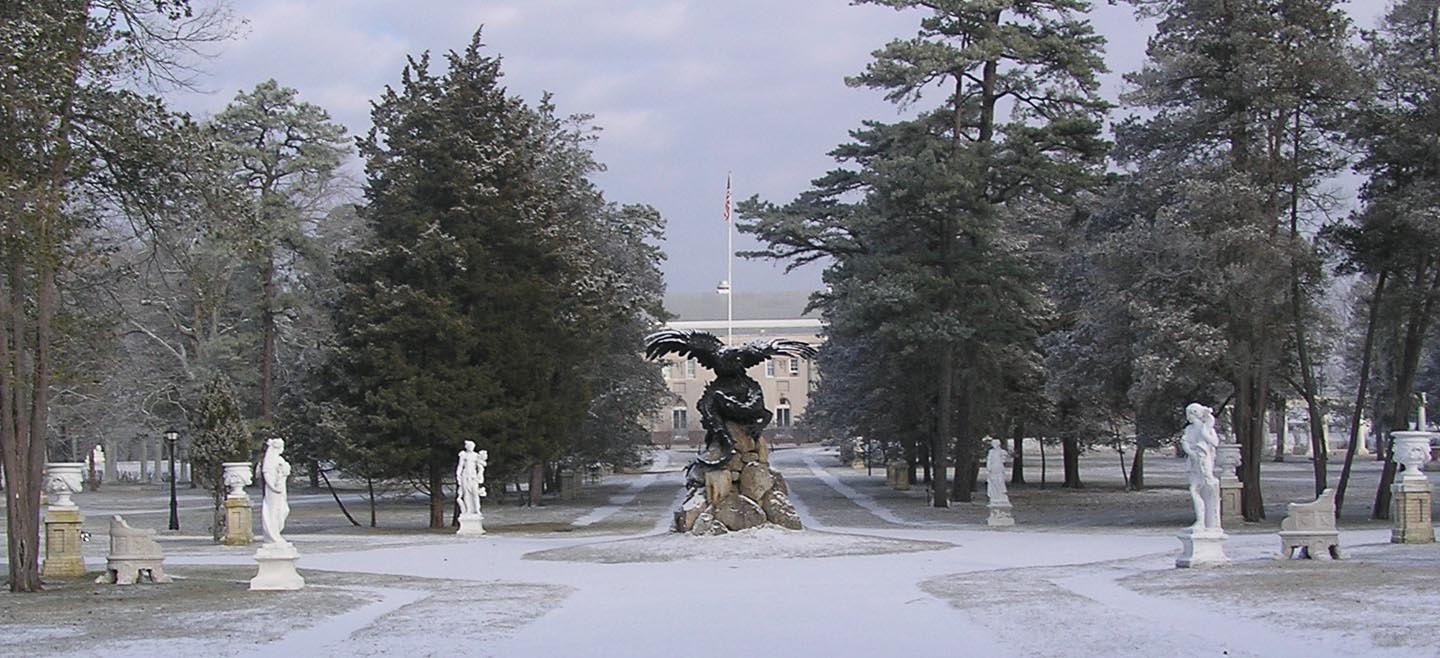
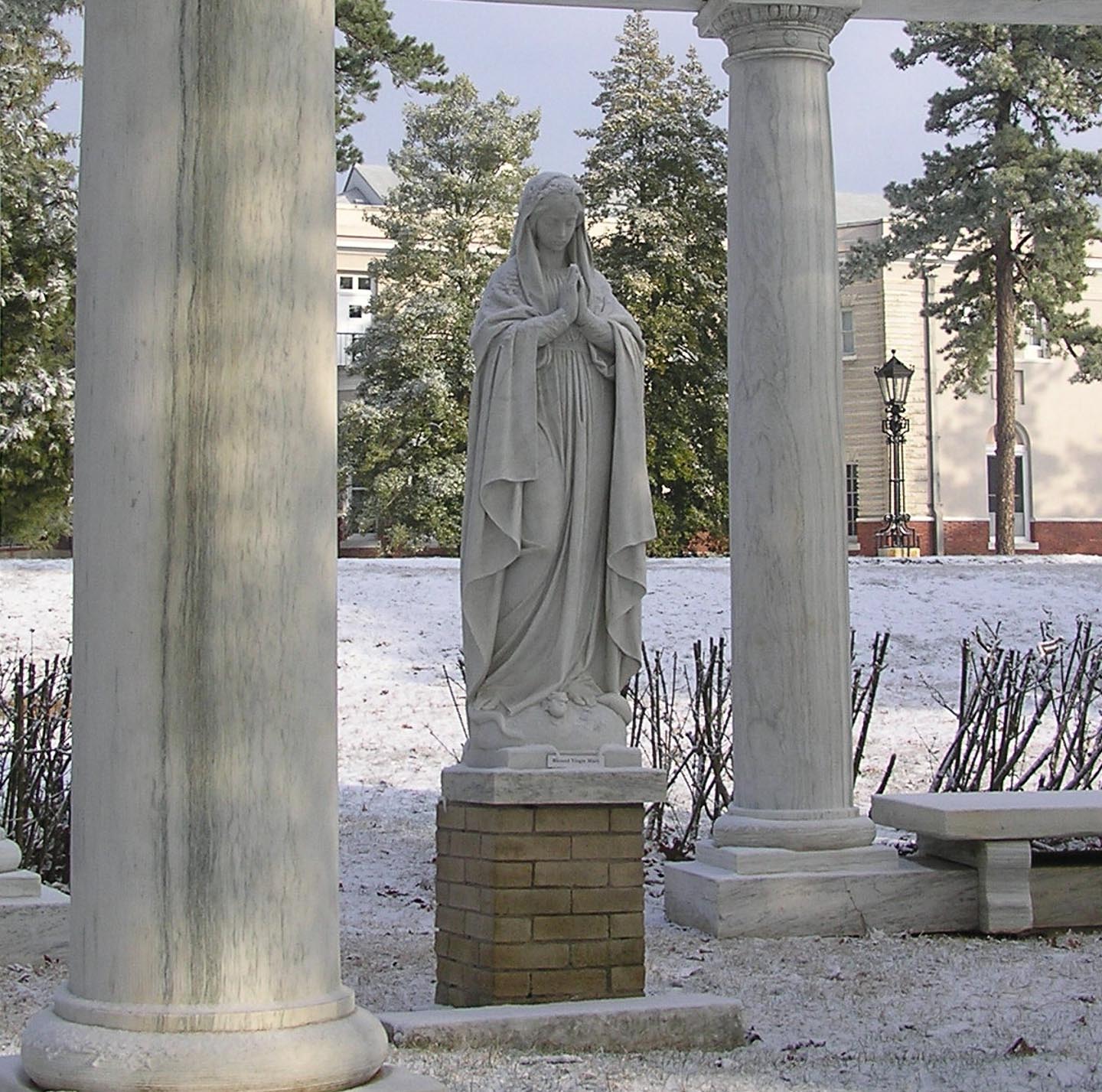
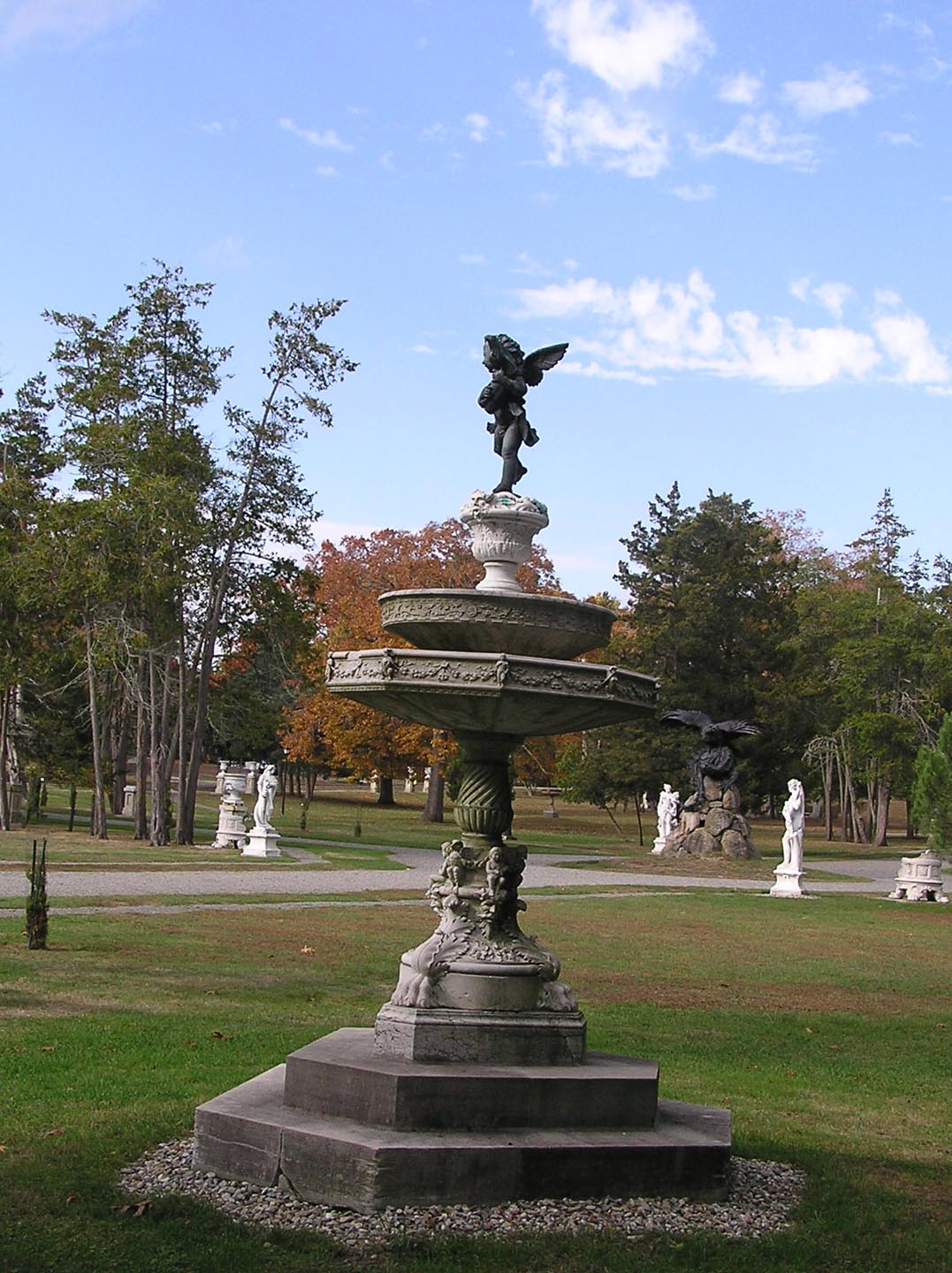
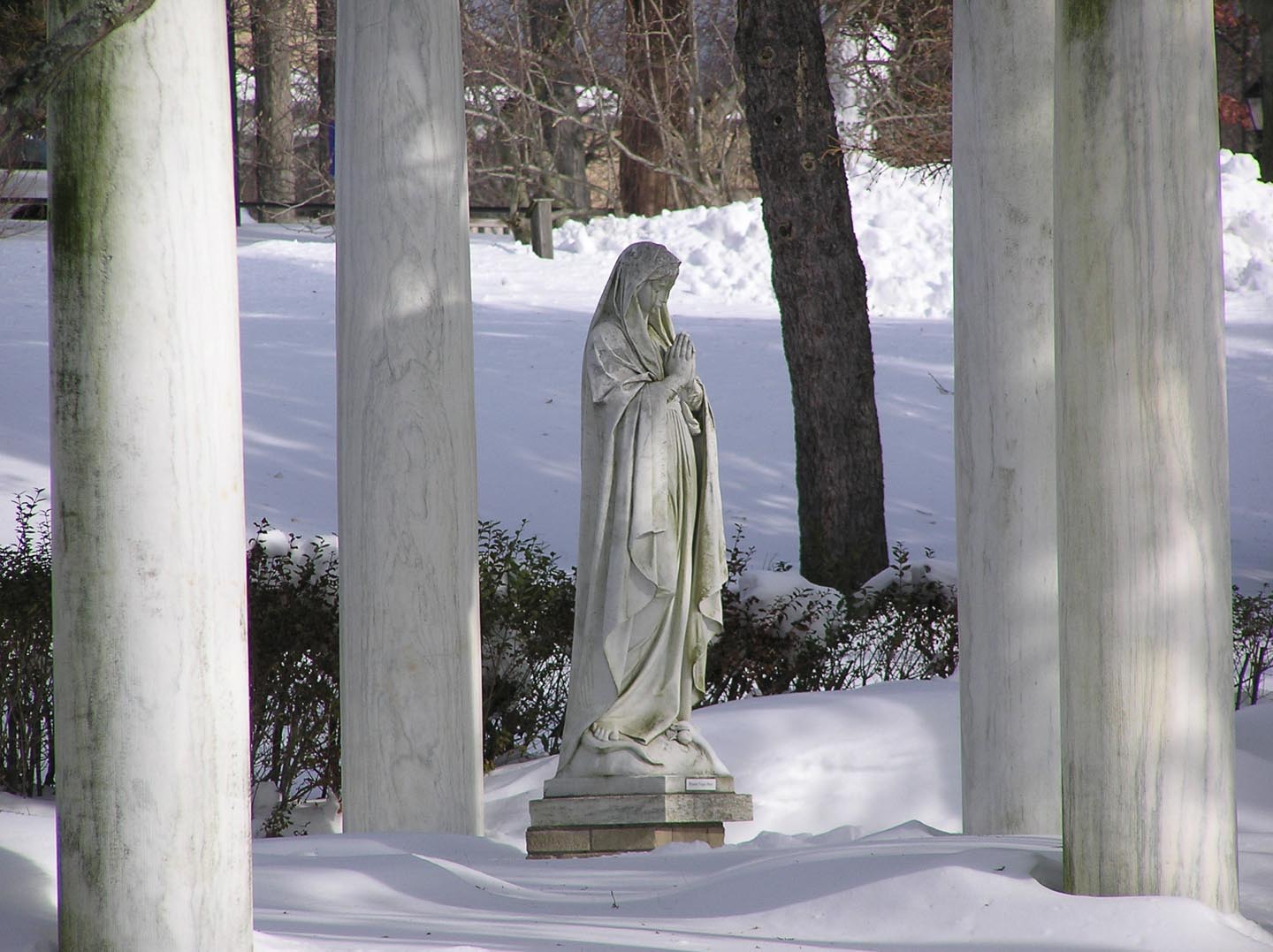
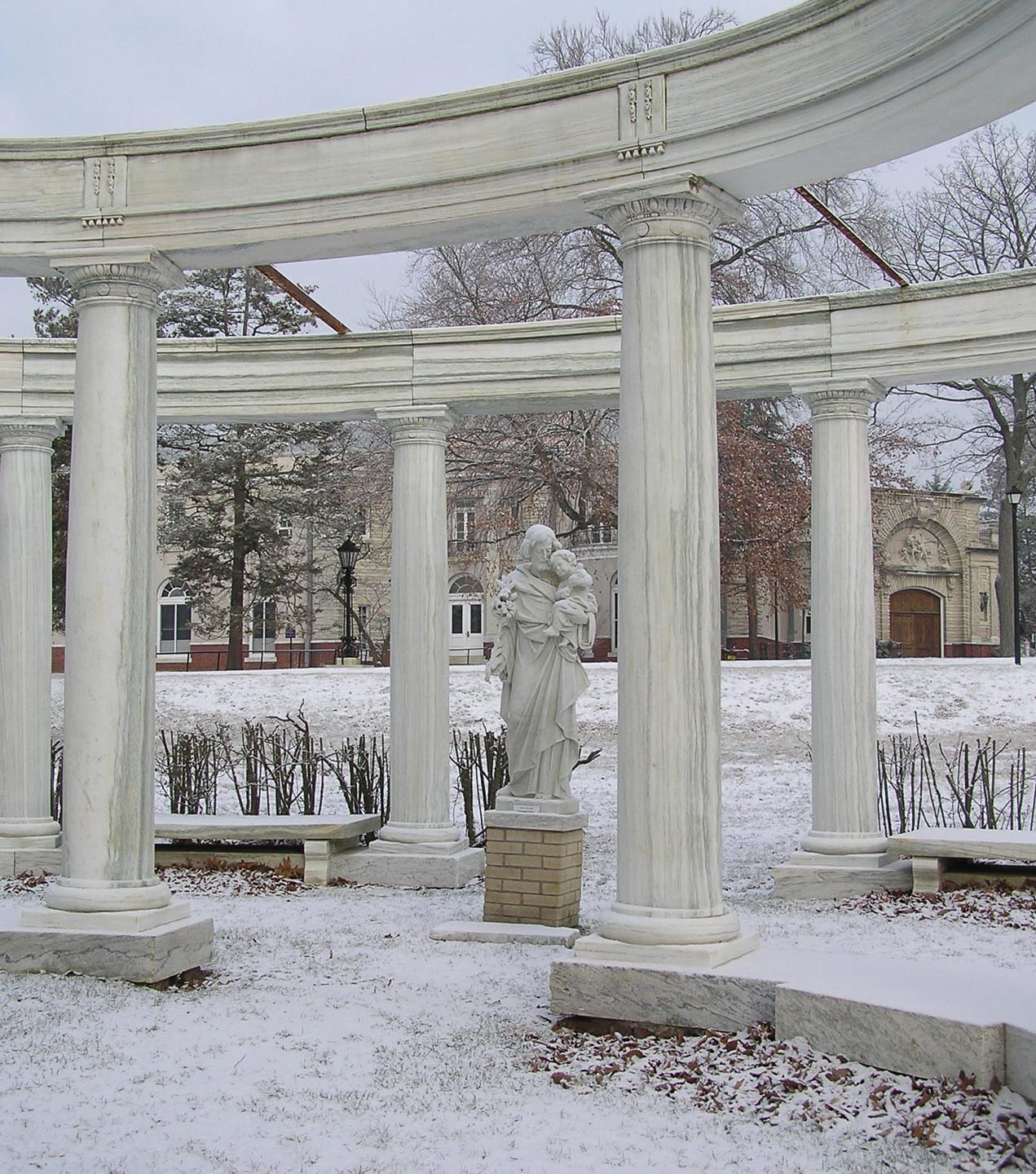
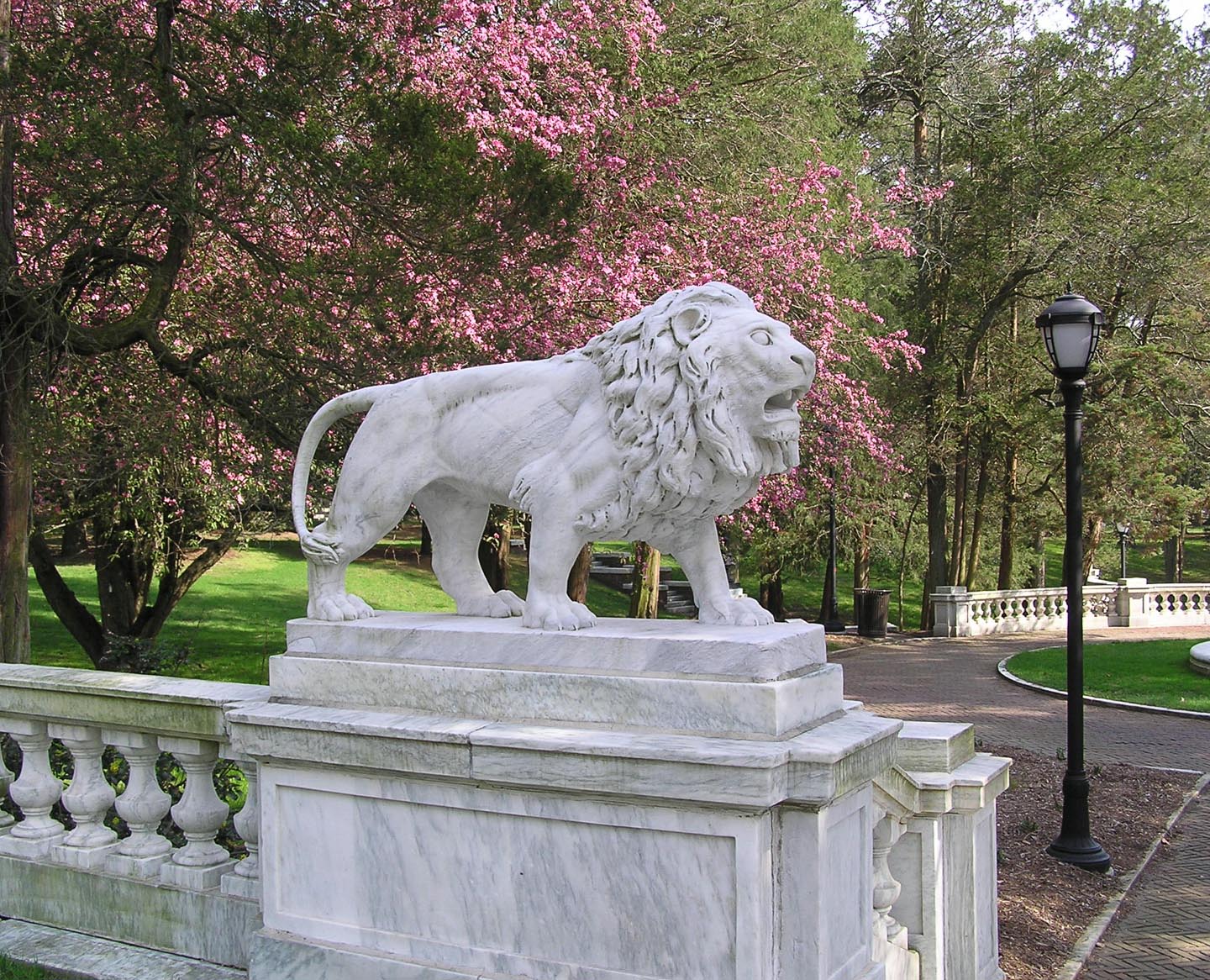
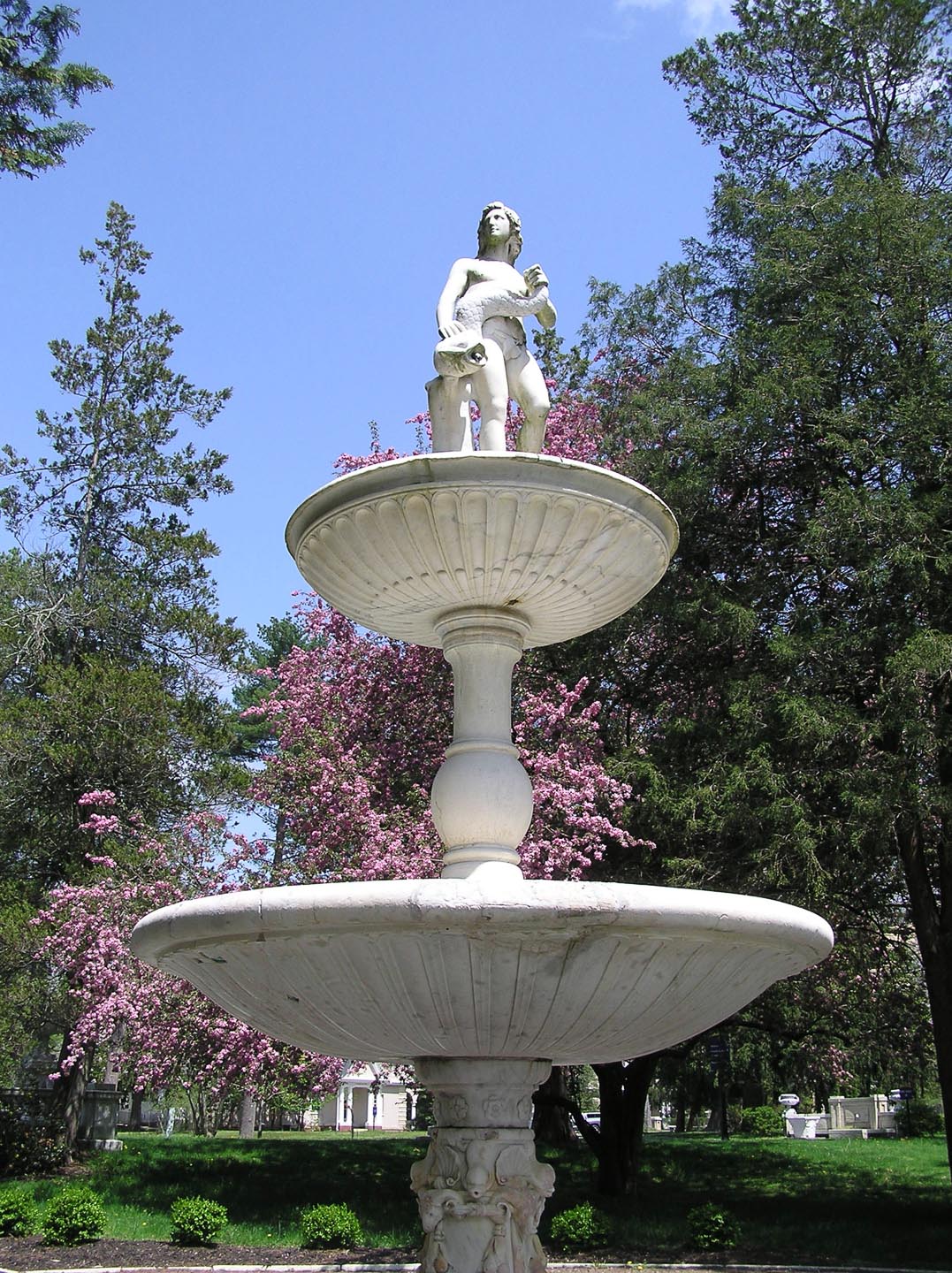
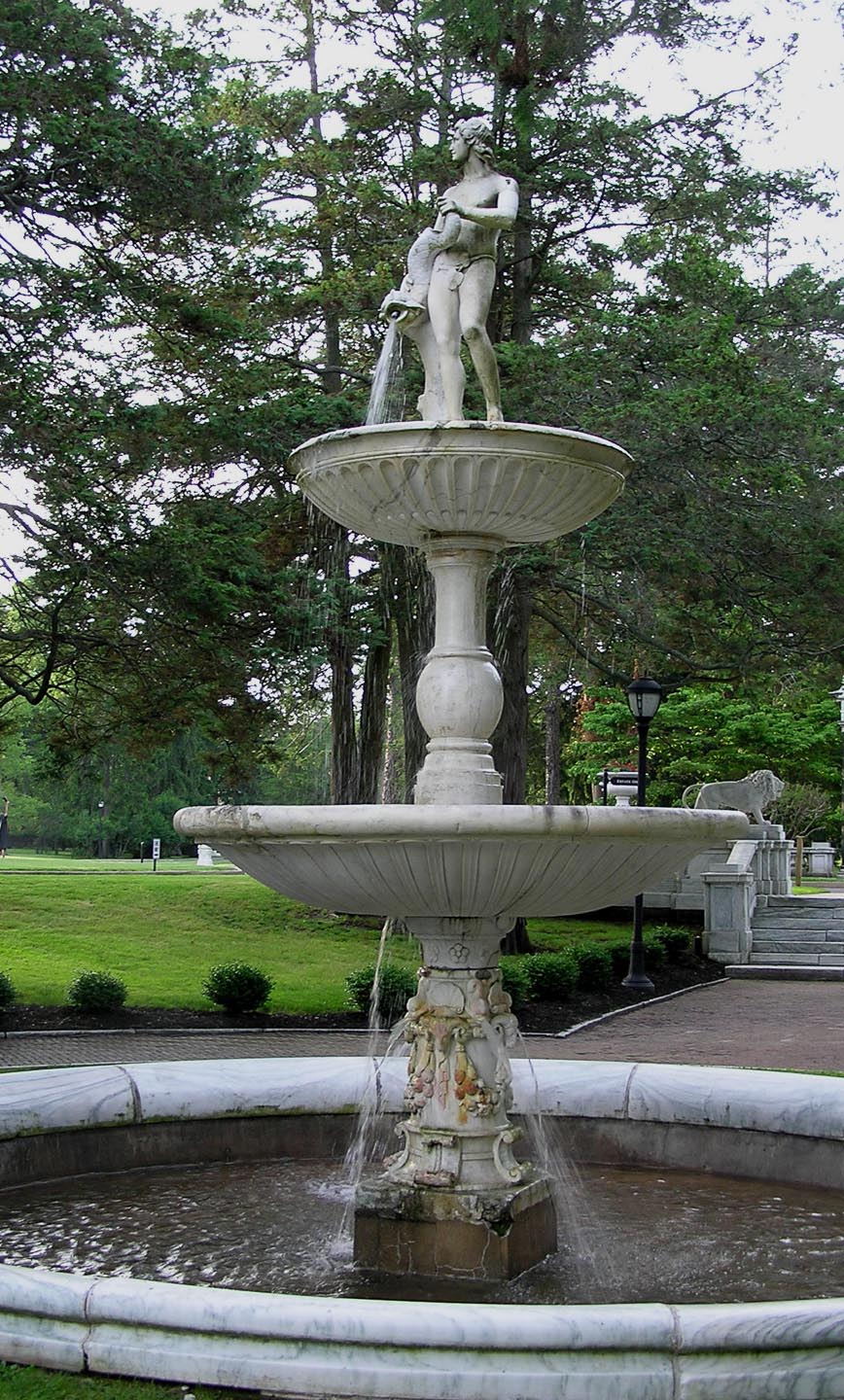
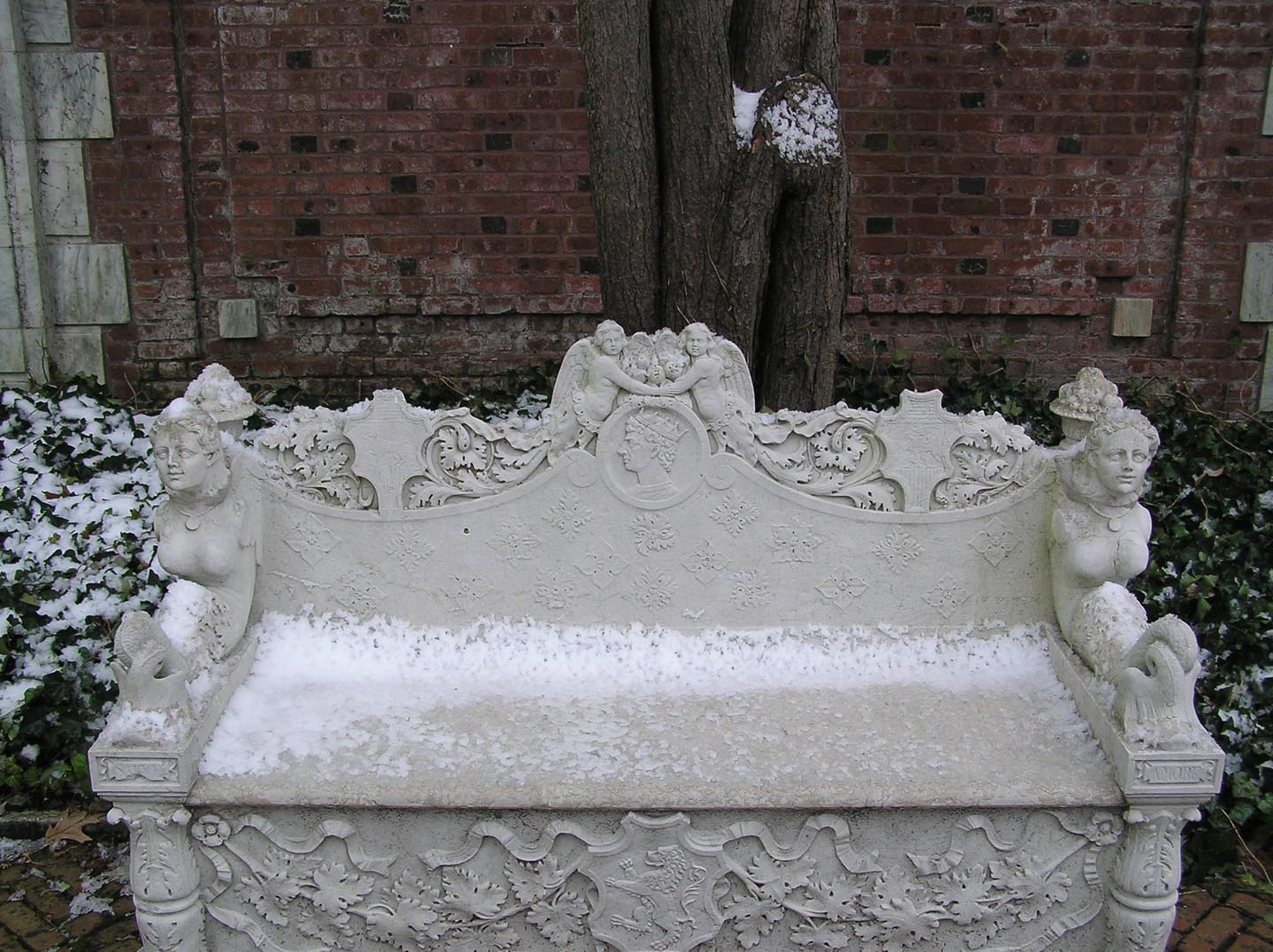
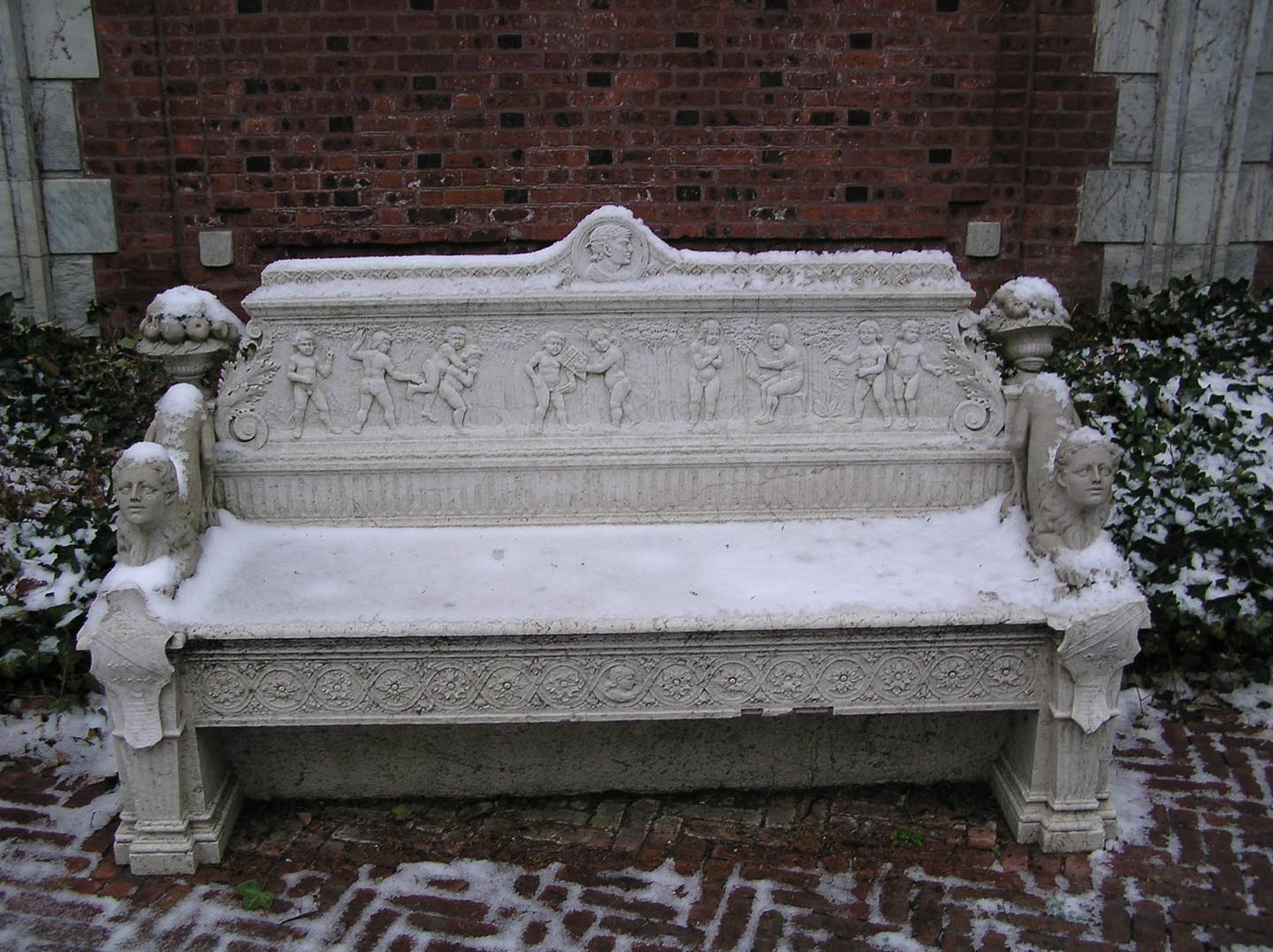
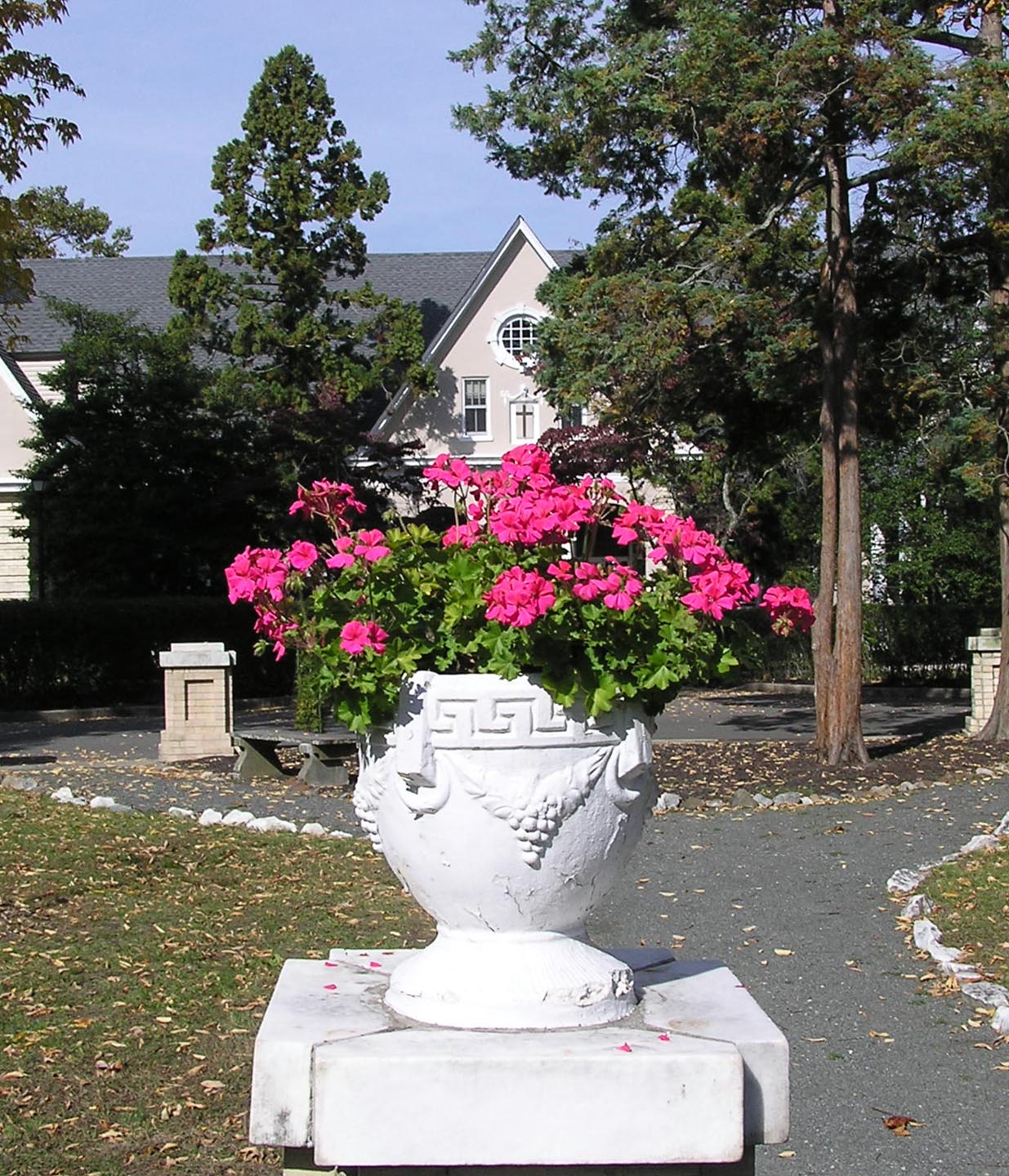
For photographs of some of the fountains, statues and urns not shown in other sections of the web site, click here.

For a list of some of the many non-plant species on campus, visit our All Taxa Biodiversity Inventory!

We welcome visitors! The arboretum is open from 8 AM until dusk daily, year-round. We suggest printing a copy of the campus map so that you can more easily enjoy your self-guided tour of our plants and gardens (you will probably be asked to park in lot B). Our campus is a national historic landmark, and we hope you enjoy our statuary and historic building exteriors during your visit. To ensure the safety and security of you and our students, guests are not permitted in any of the university buildings (except the library). You may also be interested in driving directions. If you are interested in bringing a group (i.e., more than one personal car full of people) onto the campus, please call 732.987.2285 (Office of Special Events and Conferences). The campus as a whole is handicapped accessible, but the sunken garden is not, and most paths through the formal, Italian and Japanese gardens are pebble-covered and narrow. Before traveling to the campus, you may want to check the current weather conditions as recorded by the university's weather station (or, visit a commercial site such as www.accuweather.com and type in 08701, or Rutgers University climate site climate.rutgers.edu/njwxnet). A 2005 edition color history and guidebook with a map explaining the self-guided tour is available for free from either the guardhouse at the university entrance, or the library (when the library is open). The self-guided tour begins in front of Farley Center. It is sometimes possible to arrange a group tour. PLEASE NOTE: We are being overrun with deer so our gardens lack some of their usual vegetation and grandeur.

If you are a student in need of leaves/twigs for a school project, please help yourself to a leaf/small twig from any tree having more than 50 leaves.

Color/Fragrance, Sept 7 - Sept 13, 2008:

  • Red fruit of Flowering Dogwood -- Campus except Sunken, Jpn and Ital Grdns
  • Pink, Purple, Red Crape Myrtle -- Front of AS; Sunken Grdn Shrine; Front of Casino
  • White flowers of Franklinia -- Founders' Grove, S of Mercy Ctr, E of McAuley Chapel
  • Enjoy green, blue and yellow conifer foliage -- Four Historic Grdns and Founders' Grove

We are proud to have Cooperator Status in the Plant Conservation Alliance


The university is a member of the:

APGA_logo.gif
            (4326 bytes)

American Public Gardens Association (formerly known as the Association of
Botanical Gardens and Arboreta).

>